

Ever tried to explain a size to someone without a tape measure handy? You end up waving your hands around saying “about this big,” and it never quite lands. That is where a solid visual reference comes in handy. Once you know what 18 inches actually looks like in real life, you will never fumble through a vague description again.
This guide walks through 18 inch objects you already see every day, some you might not expect, and a few that almost nobody talks about. By the end, you will have a genuine sense of scale for this measurement, and you will be able to estimate it without a ruler whenever you need to
A Brief History
The concept behind 18 inches traces back to the ancient Egyptian cubit, a unit based on the forearm’s length from elbow to fingertip, which measured close to this figure over 4,000 years ago. Later civilizations, including the Romans and medieval Europeans, kept similar body-based measurements alive before standardization took hold.
By the time the modern inch was formally defined in the 20th century, fixed at exactly 2.54 centimeters, 18 inches had already cemented itself as a practical, human-scaled length. Today it remains a go-to measurement across furniture, tools, and everyday design precisely because it echoes that original, natural body proportion.
Quick Conversion: 18 Inches at a Glance
Before diving into examples, here is the standard measurement breakdown so you have it for reference:
| Unit | Equivalent |
|---|---|
| Inches | 18 inches |
| Feet | 1.5 feet |
| Centimeters | 45.72 cm |
| Millimeters | 457.2 mm |
| Yards | 0.5 yards |
Keep this table in your back pocket. Whether you are shopping online, following a DIY plan, or just trying to picture something described in a text message, this measurement comparison clears up confusion fast.
How Long Is 18 Inches, Exactly?
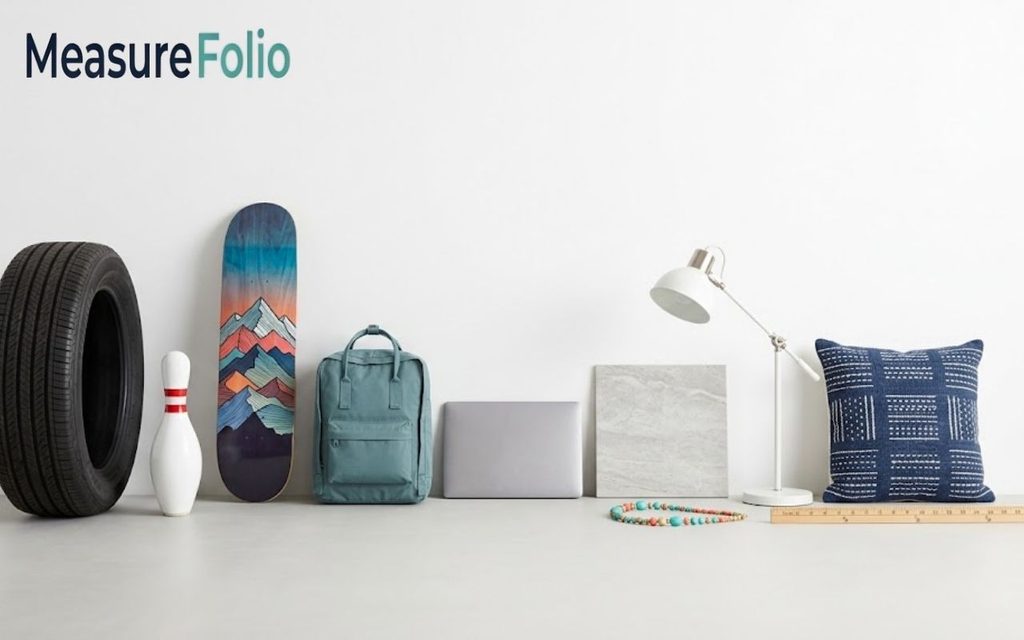
At 1.5 feet, 18 inches sits right in that “medium” zone. It is longer than a standard 12-inch ruler by half its own length again, but shorter than a yardstick by the same amount. Picture two rulers laid end to end, then trim off six inches, and you have got exactly 18 inches in length.
This eighteen-inch measurement shows up constantly in product design because it hits a sweet spot: big enough to be functional, small enough to stay portable. Backpacks, pillows, cutting boards, and countless other household objects all cluster right around this size for exactly that reason.
What 18 Inches Actually Looks Like
Numbers on a page do not always translate to a mental picture. So here is a simple way to frame it: That length is roughly the distance from your elbow to your fingertips, or about the width of a standard doorway divided in half. It is also close to the height of a typical car tire, or the length of a newborn’s height at birth, give or take a few inches.
“The easiest way to understand any measurement is not to memorize the number. It is to attach it to something you already know.”
That is the whole idea behind this list. Once you connect eighteen inches to real life objects you interact with daily, the number stops feeling abstract.
20 Real-Life Objects That Are About 18 Inches Long
Here is the full rundown of common objects that measure close to this measurement, grouped by category so you can find the ones most relevant to you.
1. Rolling Pin

A classic wooden rolling pin used for baking typically measures around 1.5 feet from end to end, including the handles. This cooking tool has stayed roughly the same size for generations because it needs to be long enough to roll out dough evenly without becoming unwieldy in a home kitchen.
2. Wall-Mounted Towel Bar

Most bathroom towel bars measure that same length, giving enough width to hang a folded bath towel without it dragging on the floor. Shorter bars exist for hand towels, but the 18-inch size remains the bathroom standard size.
3. Kitchen Cabinet Drawer Depth
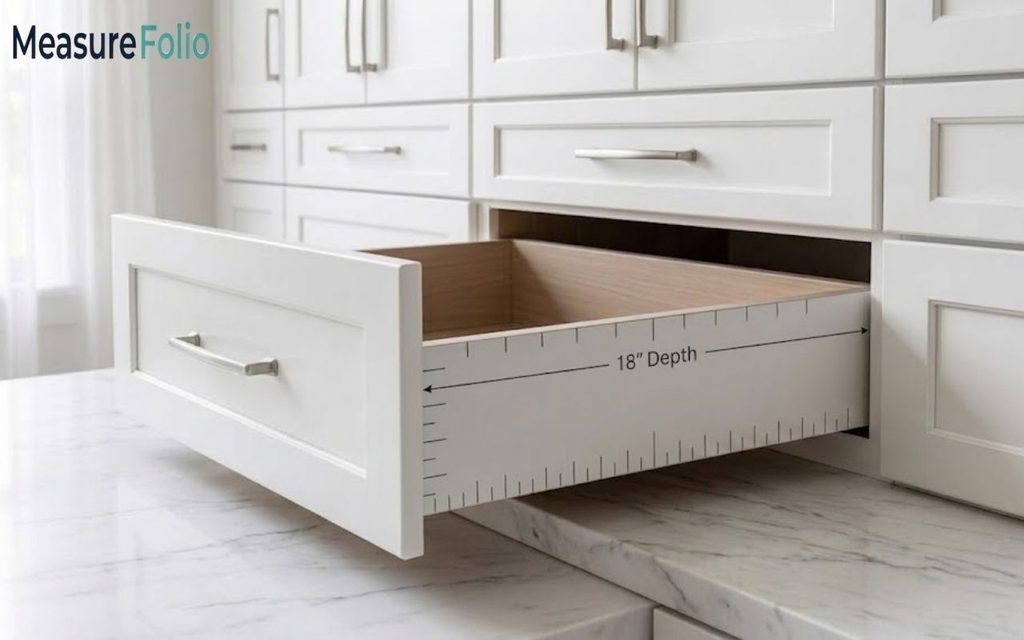
Many kitchen drawers, especially deeper base cabinet drawers, run about 45.72 centimeters from front to back. This shelf depth allows for storing larger cookware, cutting boards, and small appliances without wasted space.
4. Small Wooden Pizza Peel

The paddle-style tool used to slide pizzas in and out of an oven often measures close to 18 inches in total length, including the handle. It needs enough reach to keep hands safely away from oven heat.
5. 18×18-Inch Floor Tile
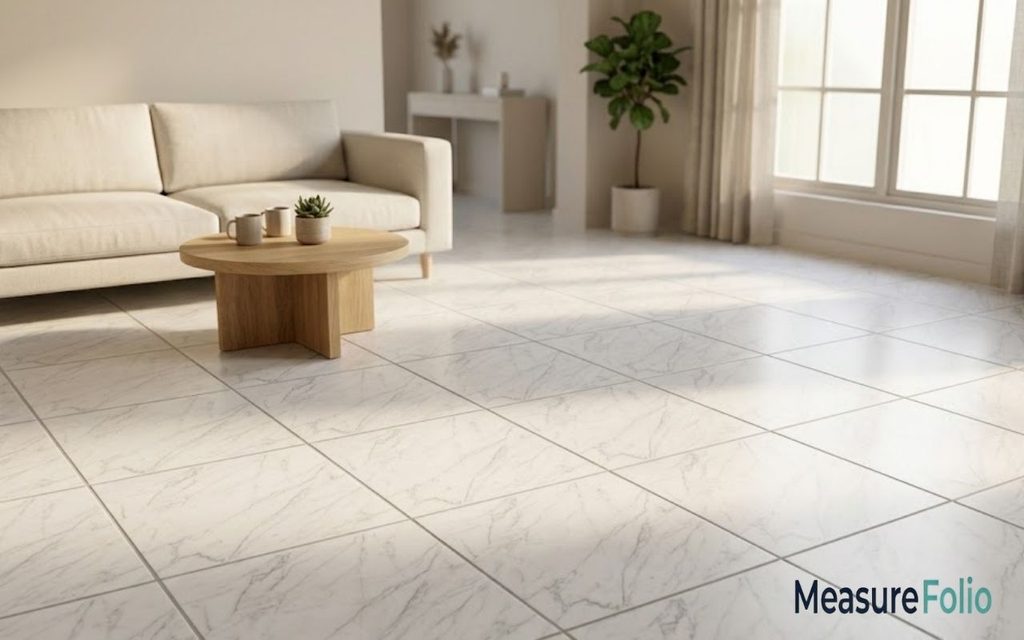
This is one of the most common tile sizes sold at hardware stores. It is large enough to cover ground quickly during installation, yet manageable enough for a single installer to handle without a second set of hands.
6. An 18-Inch Restaurant-Style Pizza

Many pizzerias offer an “extra-large” pizza sized at 18 inches in diameter, feeding six to eight people comfortably. It is one of the most literal 18 inch objects you will encounter, and one of the tastiest.
7. Backpack Height
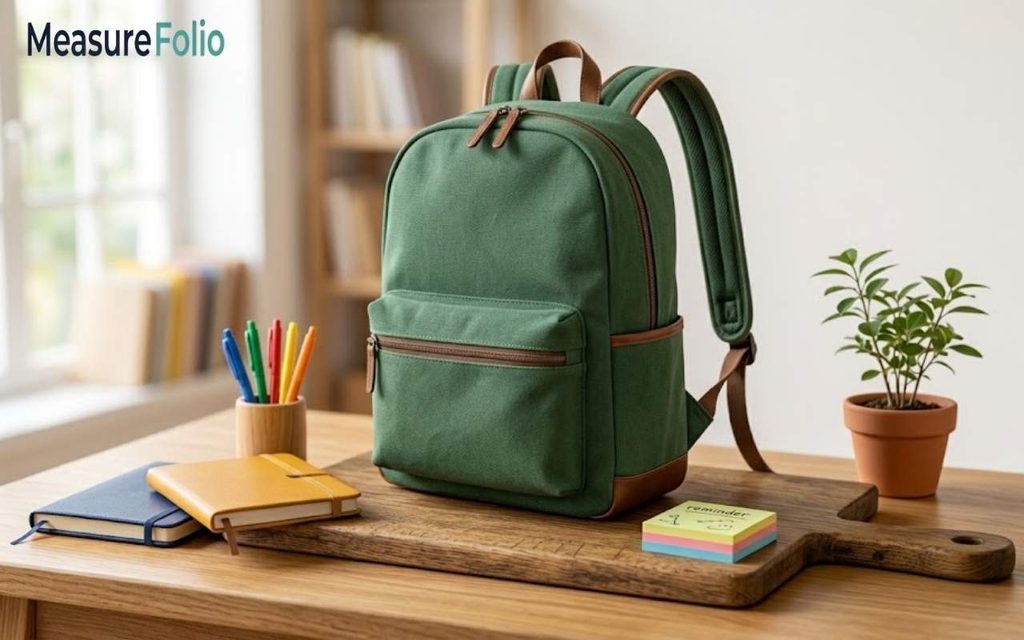
A standard adult daypack, from the bottom seam to the top of the main compartment, usually measures close to 1.5 feet. This makes it airline carry-on compliant in most cases and comfortable to wear for daily commuting.
8. Large Laptop Width
Bigger laptops, especially 17-inch screen models with bezels included, can approach 18 inches in total width when closed. If you have ever struggled to fit one into an older bag, this is why.
9. Throw Pillow (One Side)

A larger decorative throw pillow commonly measures 18 by 18 inches, making it one of the most recognizable 18-inch pillow sizes sold in home decor stores. It is become something of an industry default for couch and bed styling.
10. Princess-Length Necklace Chain

In jewelry sizing, an 18-inch necklace is labeled “princess length.” It sits right at the collarbone and remains one of the most popular chain lengths sold, balancing visibility with comfort.
11. 18-Inch Baby Doll
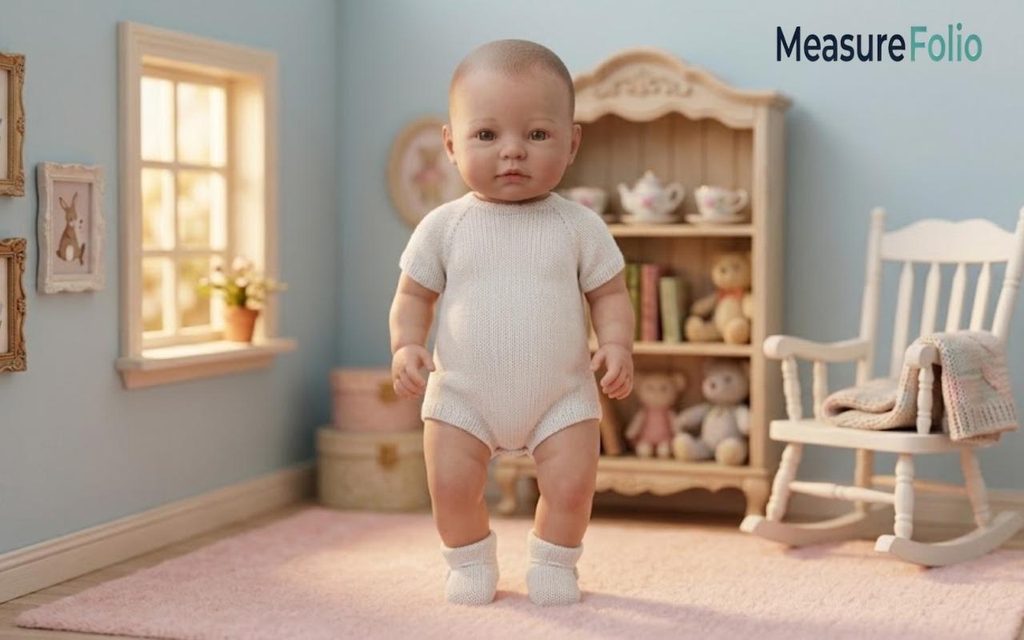
Many collectible and play dolls, including well-known brands, are manufactured at 18 inches specifically because that size closely mimics a toddler’s proportions, making them easier for children to dress and carry.
12. One and a Half Standard Rulers
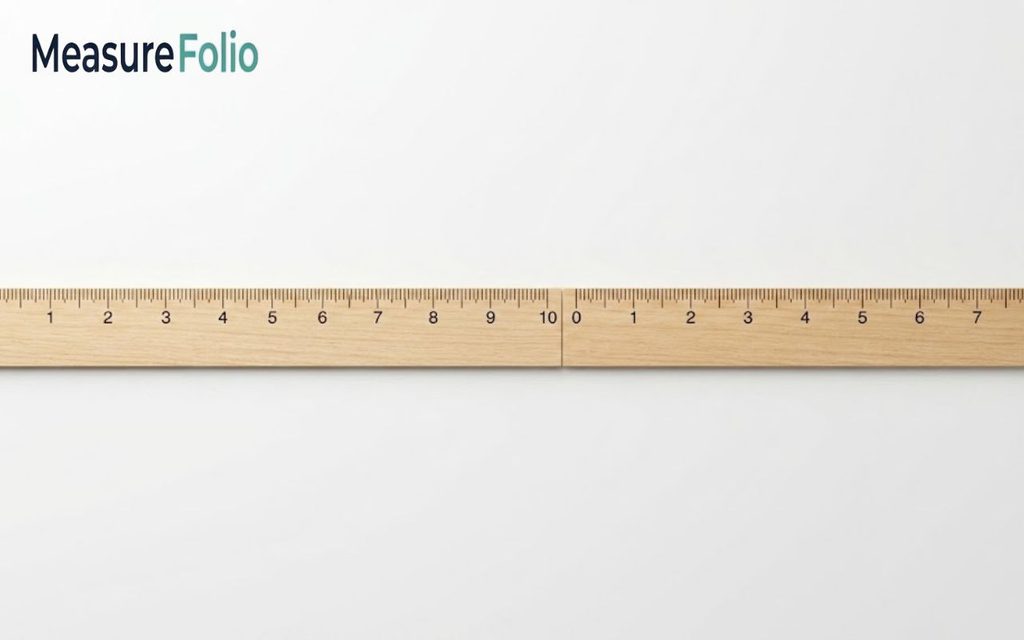
Since a standard ruler measures 12 inches, one and a half of them lined up equals exactly 18 inches. This is one of the simplest ways to build a mental visual guide for the measurement.
13. Half of a Standard Yardstick
A yardstick measures 36 inches, so cutting that in half gives you 18 inches precisely. If you have got a yardstick lying around, this is an instant, no-math way to check the length of something.
14. Desk Lamp Arm

Adjustable desk lamps, particularly articulating models, often have an extended arm reach of around 18 inches. This gives enough flexibility to angle light exactly where you need it on a desk surface.
15. Skateboard Deck
A standard skateboard deck, not including the wheels or trucks, typically runs close to 18 inches for shorter youth or trick-style boards. Full-size decks used by adults tend to run slightly longer, but many entry-level boards land right in this range.
16. Car Tire Diameter

Many passenger vehicle tires, when measured across the full wheel and rubber assembly, come in around 18 inches, especially on midsize sedans and crossovers. This is part of why tire shopping specs are often listed in that neighborhood.
17. Bowling Pin Plus a Fifth
A regulation bowling pin measures 15 inches tall. Add roughly a fifth of that height again, and you land close to 1.5 feet, making this an oddly specific but genuinely useful measurement comparison for sports fans.
18. Four Standard Envelopes, Stacked Lengthwise

A standard #10 business envelope measures about 4.5 inches long. Stack four of them end to end, and you will reach eighteen inches almost exactly.
19. Five Crayons, Lined Up End to End
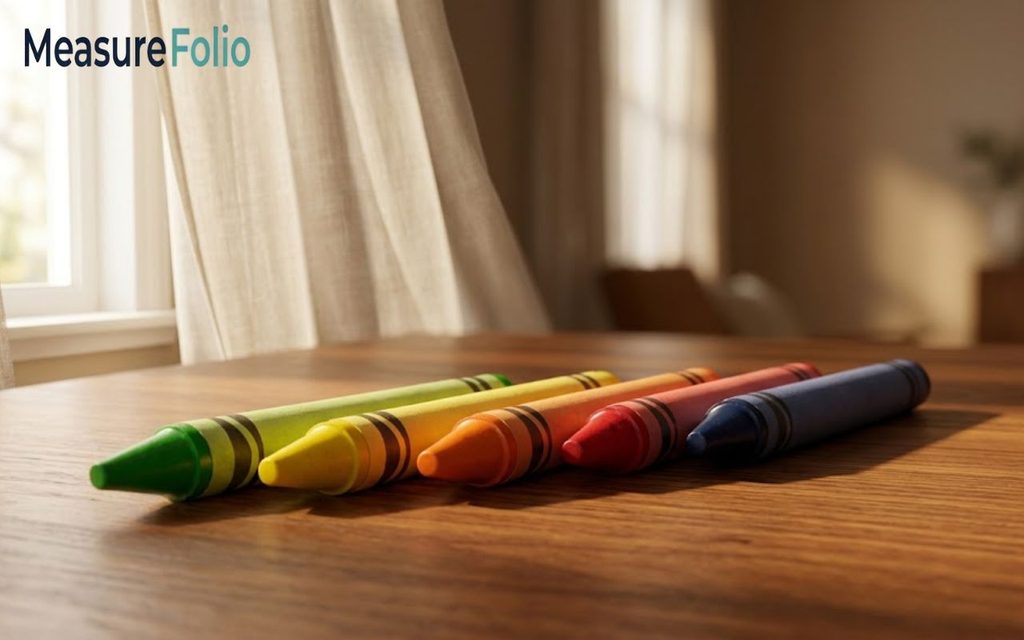
A standard crayon measures roughly 3.5 to 4 inches. Line up five of them, and you will get somewhere close to eighteen inches, a fun, low-tech way to demonstrate the measurement to kids.
20. Elbow-to-Fingertip Forearm Length (Average Adult)

For most adults, the distance from the elbow to the tip of the middle finger measures somewhere between 17 and 19 inches, making it one of the most convenient estimating length tricks available. Your own arm is a built-in measuring tool.
How to Estimate 18 Inches Without a Measuring Tape
Sometimes you just need a rough number fast, no tools in sight. Here are a few reliable, ruler-free methods:
- Use your forearm. As mentioned above, elbow to fingertip is close enough for most casual estimates.
- Use a dollar bill. A U.S. bill measures about 6.14 inches long. Line up three of them, and you are within an inch of 18.
- Use a sheet of paper. Standard letter paper measures 11 inches long. Add a bit more than half that again, and you will land near 18 inches.
- Use your own stride. An average adult step measures somewhere between 24 and 30 inches, so roughly two-thirds of a normal step gets you close.
None of these replace a genuine measuring tool, but for quick, casual visual measurement, they will get you remarkably close.
Where an 18-Inch Measurement Actually Matters
This is not just trivia. Knowing what eighteen inches looks like has practical value in situations like:
- Shipping and packing — many carriers use size-based pricing tiers, and 18 inches often marks a threshold between standard and oversized rates.
- Furniture clearance — hallway widths, doorway clearances, and walkway spacing frequently need to accommodate 18-inch furniture pieces.
- DIY and home improvement — tile spacing, shelf depth, and drawer sizing all commonly reference this exact standard dimensions figure.
- Gifting — jewelry, dolls, and pillows sized at 18 inches are common gift purchases, so understanding the size helps set the right expectations before buying.
Easy Mistakes People Make When Picturing 18 Inches
Even with a solid mental reference, a few common errors trip people up.
Mixing Up Inches and Feet
It sounds obvious, but it happens constantly. Eighteen inches is 1.5 feet, not 18 feet. If a listing says “18-inch height,” do not picture something room-sized. This mix-up is especially common in online furniture shopping, where a quick skim of the listing can lead to an unpleasant surprise on delivery day.
Forgetting Depth Is not the Same as Length
An 18-inch shelf depth measures how far the shelf extends from the wall, not how wide it runs across. Confusing depth with length is one of the most frequent measurement errors in furniture and cabinetry shopping.
Treating “About 18 Inches” as an Exact Number
Product listings often round for convenience. A “cutting board” listed at 18 inches might actually measure 17.75 or 18.25 inches once you account for manufacturing tolerances. If precision genuinely matters, always double-check with your own measuring tool before finalizing a purchase or project.
18 Inches Next to Other Common Measurements
Seeing 18 inches alongside nearby measurements helps sharpen your size awareness even further.
| Length | Approximate Real-World Equivalent |
|---|---|
| 12 inches | Standard ruler |
| 18 inches | Throw pillow, rolling pin, small pizza peel |
| 24 inches | Standard coffee table width, computer monitor diagonal |
| 36 inches | Full yardstick, typical countertop height |
Notice how each jump of six inches meaningfully changes what falls into that range. This kind of measurement comparison table is a handy cheat sheet to keep bookmarked.
Test Your Eye: Guess These Sizes Before You Scroll
Here is a quick, low-pressure way to check your own sense of scale. Before reading the answer, guess whether each item below is smaller than, larger than, or about equal to 18 inches:
- A standard laptop sleeve
- A guitar neck (just the fretboard section)
- A medium house cat’s body, excluding tail
Most laptop sleeve models designed for 15-inch laptops measure close to 16 to 17 inches, just under the mark. A guitar’s playable neck length often runs close to 18 to 20 inches, right around the target. And a medium cat’s body typically measures 15 to 18 inches nose to base of tail, landing right at or just under the mark too.
How would you do? If you got two out of three, you have already built a solid visual reference for this measurement.
5 Fun Facts About 18 Inches
A cubit was once close to 18 inches. Ancient Egyptians used the “cubit,” one of the earliest known units of measurement, based on the length of a forearm from elbow to fingertip. It typically measured around eighteen inches, meaning this exact length has been used to build things for thousands of years, long before the inch even existed as a standard unit.
It’s the go-to spacing for electrical outlets. In many home construction codes, electrical outlets are placed roughly 18 inches above finished floor level. This height isn’t random. It keeps outlets low enough to stay unobtrusive but high enough to avoid bending down too far to plug something in.
Snow shovels often clock in at 18 inches wide. Standard snow shovel blades are frequently manufactured at eighteen inches across. This width strikes a balance between clearing a good amount of snow per scoop and staying light enough to lift repeatedly without straining your back.
Some pizzas are legally required to be measured, and 18 inches often wins the “extra-large” title. While there’s no universal law, many major pizza chains standardize their largest pie at eighteen inches specifically because it’s the biggest size that still fits through a standard home oven door and most delivery bags without needing custom packaging.
The “social distance” zone starts around eighteen inches. In studies on interpersonal space, researchers have identified roughly 18 inches as the edge of the “intimate zone,” the closest distance people are typically comfortable letting only close friends or family occupy. Step past it as a stranger, and most people instinctively feel it.
Quiz: Test Your Knowledge of 18 Inches
Think you know the material? Put your knowledge to the test with our quick quiz below. Answer a few questions and see how you score!
1. How many feet does 18 inches equal?
A) 1 foot B) 1.5 feet C) 2 feet D) 2.5 feet
2. Which jewelry chain length is specifically known as “princess length”?
A) 14 inches B) 16 inches C) 18 inches D) 20 inches
3. What is 18 inches equal to in centimeters?
A) 30.48 cm B) 38.10 cm C) 45.72 cm D) 50.80 cm
4. Which of these is the quickest ruler-free way to estimate 18 inches using your own body?
A) Full arm span B) Elbow to fingertip C) Shoulder width D) Foot length
5. A standard yardstick measures 36 inches. What fraction of a yardstick equals 18 inches?
A) One-third B) One-quarter C) One-half D) Two-thirds
Answer Key:
- B) 1.5 feet
- C) 18 inches
- C) 45.72 cm
- B) Elbow to fingertip
- C) One-half
Final Takeaway
Understanding 18 inches does not require a tape measure glued to your hip. Once you have connected the number to a handful of real-world items, whether it is a pillow on your couch, the pizza on your table, or the length of your own forearm, you have got a built-in mental ruler that travels with you everywhere.
Next time someone describes something as “about 18 inches,” you will not just nod along. You will actually picture it.
fAQs about 18 inches
Got questions? We have got answers — check out the most common ones below.
1. Does 18 inches change depending on the country’s measurement system?
No, an inch is a fixed unit under the international standard, so eighteen inches equals 45.72 cm everywhere, whether you’re in the US, UK, or anywhere else that recognizes the imperial system.
2. Is an 18-inch TV or monitor screen actually 18 inches wide?
Not usually. TV and monitor sizes are measured diagonally, corner to corner, not across the width. An “18-inch” screen has a diagonal of 18 inches, but its actual width is closer to 15 to 16 inches.
3. How much does an object typically weigh if it’s 18 inches long?
There’s no fixed weight tied to length alone. Weight depends entirely on material and density, so an 18-inch wooden rolling pin and an 18-inch steel pipe will weigh vastly different amounts despite matching in size.
4. Can 18 inches fit through a standard doorway easily?
Yes, easily. Standard interior doorways measure 30 to 36 inches wide, so an 18-inch item passes through with plenty of clearance on either side, even when carried at an angle.
5. Is 18 inches a common size for pet carriers or crates?
It can be, particularly for small dog breeds or cats. Many small to medium pet carriers measure around 18 inches in length, giving enough room for the animal to turn around comfortably during short trips.

Hi there, I’m Elanor Albert, the admin for the Measurements category here at Measure Folio. I believe that getting the exact numbers shouldn’t be a struggle. My goal is to share simple, accurate guides and tool reviews so you can measure with absolute confidence. I’m thrilled to help you master the art of precision!