

You’re shopping for a cake pan online, and the listing says “8 inches.” Suddenly you’re squinting at the screen, trying to picture it. Numbers feel abstract until you hold them against something real.
This inch size guide fixes that. You’ll get exact conversions first, then 21 real-life examples of eight inches, and finally a few clever ways to measure 8 inches without a tape.
Quick Conversion: 8 Inches in Other Units
Need the answer fast? Here’s your 8 inches in cm and every other unit you’re likely to want. The 20.32 cm figure sits at the top of the table because it’s the most searched metric conversion.
| Unit | Value for 8 Inches |
|---|---|
| Centimeters | 20.32 cm |
| Millimeters | 203.2 mm |
| Meters | 0.2032 m |
| Feet | 0.667 ft (two-thirds of a foot) |
| Yards | 0.222 yd |
| Points (print) | 576 pt |
| Pixels (CSS, 96 per inch) | 768 px |
The inch-to-cm conversion takes one step. Multiply the inches by 2.54. For eight inches, that gives you 20.32. Going the other way, divide centimeters by 2.54.
Quick tip: Need a rough figure? Think “8 inches is about 20 centimeters.” You’ll land within a few millimeters of the exact centimeter equivalent.
What 8 Inches Looks Like in Your Hand
Numbers only go so far. So let’s put the 8-inch measurement where you can feel it.
Picture a brand-new, unsharpened pencil. It runs about 7.5 inches. Now add a little more than the width of your thumb, and you’ve reached eight inches. That’s a slim, hand-sized length. It fits comfortably across your palm and fingers with a bit of overhang.
Here’s another way to see it. Most phones run between 5.5 and 6.5 inches tall. Even with a bulky smartphone case on, a phone usually stops one to two inches short of this mark. You’d need a small tablet to cover the full distance.
This eight-inch length also reads as roughly two-thirds of a standard 12-inch ruler. If you’ve ever used a school ruler, you can picture exactly where it ends.
Where 8 Inches Shows Up as a Standard Size
Why does this length keep appearing? Because it hits a sweet spot. It’s big enough to be useful and small enough to handle with one hand. Manufacturers across several industries have settled on it.
Here are the biggest categories:
- Cookware: Round cake pans, skillets, and personal pizzas
- Building materials: Nominal masonry block sizing
- Computing history: The first widely used floppy disks
- Hand tools: Adjustable wrenches and chef’s knives
One concept helps here: nominal versus actual size. A nominal size is the name an industry gives a product. The actual size is what a tape measure finds. Lumber is the classic case.
A “2×4” board measures about 1.5 by 3.5 inches. So when you see an “8-inch” label, the real item may land slightly above or below the number. Keep that in mind as you read the list below.
21 Things That Measure About 8 Inches
Ready for the main event? These are common household items, tools, and familiar objects that match or come very close to this 8-inch measurement.
An 8-Inch Personal Pizza

Small pies often run 8 inches across. They typically feed one hungry person. However, don’t compare pizza sizes by width alone. Compare them by area. An 8-inch pizza covers about 50 square inches.
A 10-inch pie covers about 79, and a 12-inch pie covers about 113. That means one 12-inch pizza holds more than twice the food of an 8-inch one.
An 8 Inches Round Cake Pan

This is a baking staple, and bakers measure it across the top, from inside edge to inside edge. It matters for recipe swaps. An 8-inch pan covers about 50 square inches, while a 9-inch pan covers about 64. That’s roughly 27% more room. If you pour a 9-inch recipe into an 8-inch pan, expect thicker layers and a longer bake.
The Original 8 Inches Floppy Disk
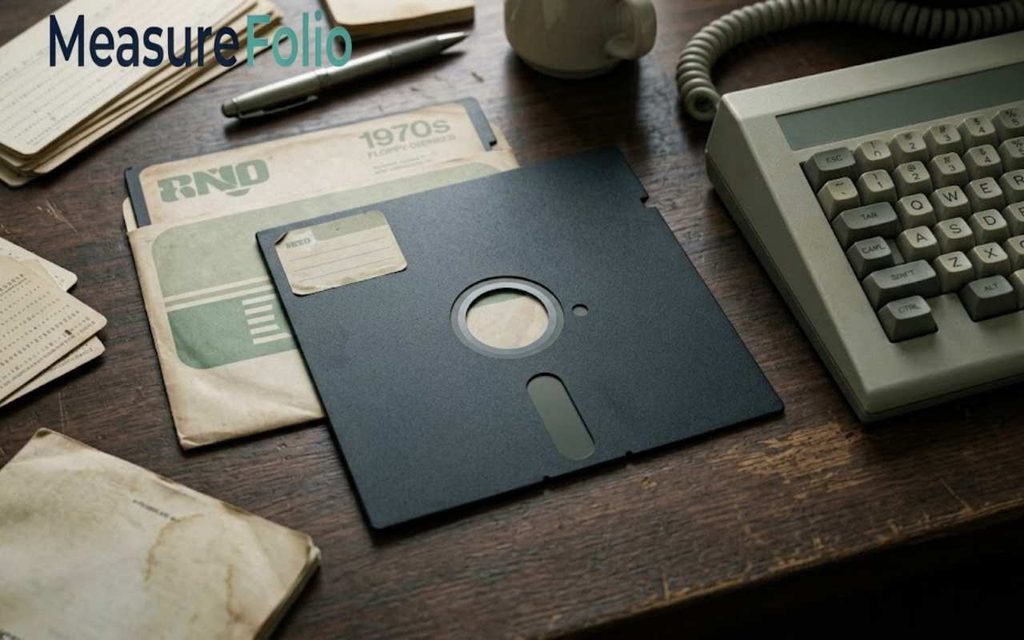
Before USB drives and cloud storage, data traveled on flexible magnetic disks. Think back to the early 1970s. IBM introduced the 8-inch floppy format in 1971, and the paper jacket measured about 8 inches square. The first version held only around 80 kilobytes.
Today, a single photo dwarfs that. Later versions stored far more by recording on both sides, yet the large jacket stayed the same. Wikipedia’s floppy disk entry covers the full timeline well. Smaller 5¼-inch and 3½-inch disks followed, which explains why the 8-inch version feels like a museum piece now.
A Nominal 8 Inches Concrete Block

Walk past any construction site, and you’ll spot stacks of gray masonry blocks. Builders call a common masonry unit “8×8×16.” Yet a tape measure shows about 7⅝ inches on the real thing. The gap exists because the nominal size includes room for a mortar joint.
That joint is typically ⅜ inch thick, so the block plus its mortar adds up to a clean 8 inches on the wall. The length follows the same rule, since the real block runs about 15⅝ inches. The concrete masonry unit article on Wikipedia explains more.
A Shoulder-Length Strand of Hair

Here’s a surprising one. Hair grows roughly half an inch per month. That puts eight-inch hair at about 16 months of growth from a buzz cut. For many people, this hair length brushes the collarbone or lands just past the shoulders.
It’s a handy visual length comparison if you’re planning a big trim. Stylists often measure hair growth length from the roots, so always check which way a salon quote counts.
Your Outstretched Hand Span
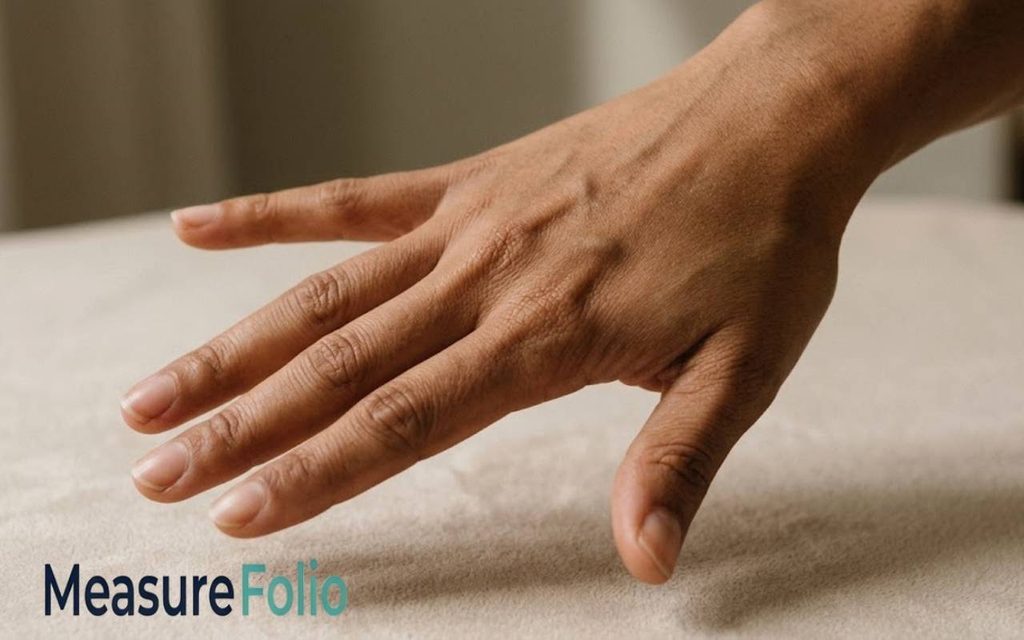
Your own body offers a free tool. Spread your fingers wide, then measure the thumb-to-pinky distance. For many adults, a stretched hand lands between 7 and 9 inches. Of course, hand measurement varies from person to person. Grab a ruler once and test yours. Then you’ll carry a personal reference everywhere.
A Salad Plate

Plates make surprisingly good measuring tools because manufacturers tend to stick with a few standard diameters. Salad and dessert plates commonly run 7.5 to 8 inches across. Next time you set the table, glance at one.
It’s a great everyday comparison because nearly every kitchen has a stack of them. Dinner plates usually run larger, around 10 to 11 inches, so the smaller stack in your cupboard is the one to grab.
Magazine Width

Look at any standard U.S. magazine. The magazine width sits near 8.4 inches. Industry magazine dimensions usually run about 8.375 by 10.875 inches. That makes it one of the easiest printed media size references you’ll find on a coffee table.
Trim sizes vary slightly between publishers, so a glossy monthly may differ from a news weekly by a fraction of an inch.
A Strip of Gift Ribbon

Craft stores sell ribbon on spools in widths ranging from narrow satin to wide wired styles. Gift wrappers often cut ribbon near this length for tags and small bows. It’s enough to loop around a finger and tie off neatly.
Hold a piece up to your hand, and you’ll see it matches. Cutting several pieces to the same length also keeps a gift table looking tidy and consistent.
A Pencil Case
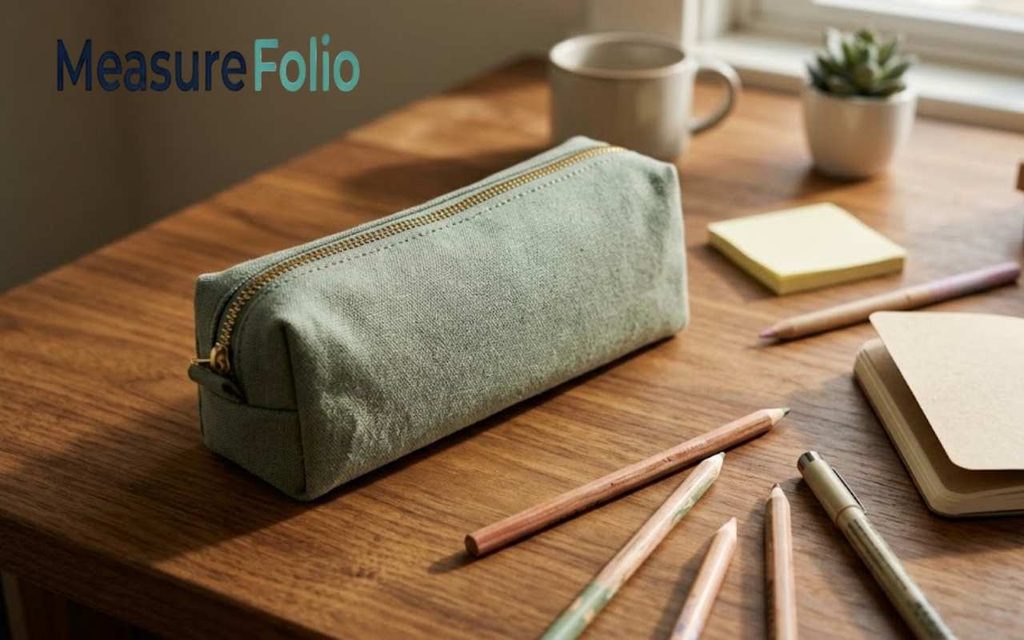
Standard zippered pencil case models measure close to 8 inches long. They’re built to hold a full-size pencil with a little breathing room. Many brands size them around a 7.5-inch pencil, which leaves space for an eraser and a pen.
Check yours. It’s among the most practical objects in any backpack. Soft fabric cases stretch a bit, so measure along the zipper track for the truest reading.
A 5×8 Hardcover Journal
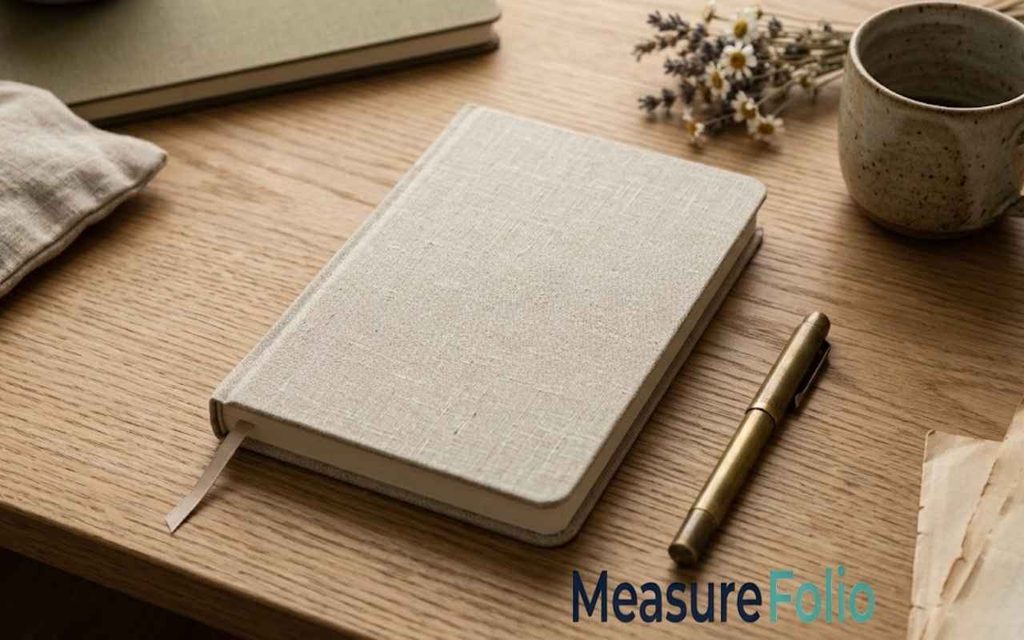
Hardcover journals hold their shape on a lap or a desk, which makes the height easy to check. Journals often use a 5×8 format. The 8-inch side forms the height. That proportion feels natural in the hand, which explains why so many notebook brands use it. Keep in mind that the cover can stick out a hair beyond the pages, so your tape may read slightly over.
A Jumbo Index Card
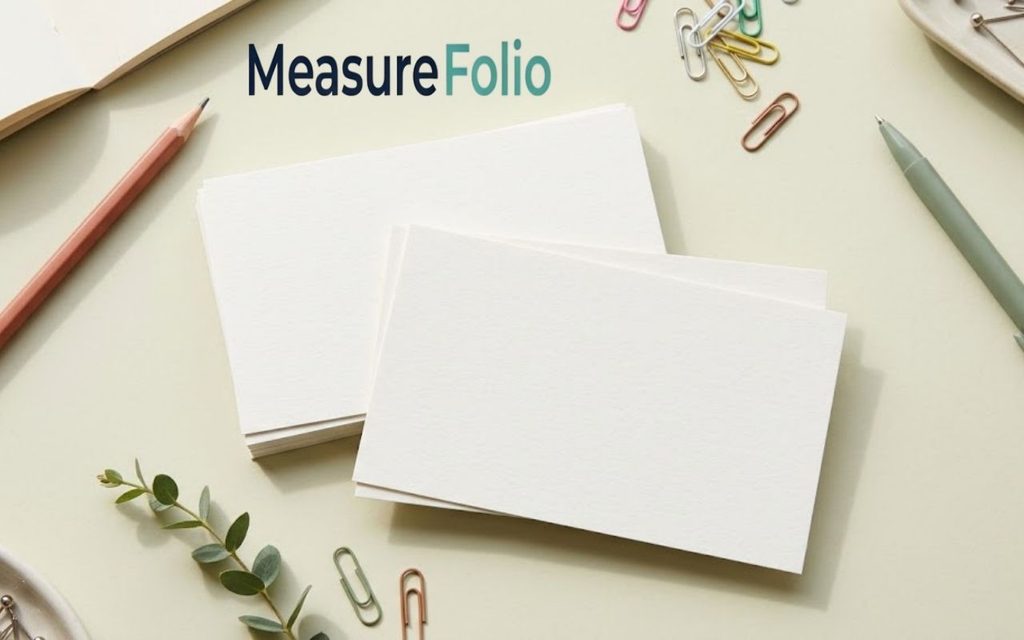
Stationery stores sell 5×8 index cards. They’re larger than the classic 3×5 card, so they suit longer notes and recipes. The extra size gives you more than two and a half times the writing area of the smaller card. People use them for flashcards, recipe files, and speech notes. Hold one lengthwise, and you’re holding eight inches of paper.
A Compact Ruler
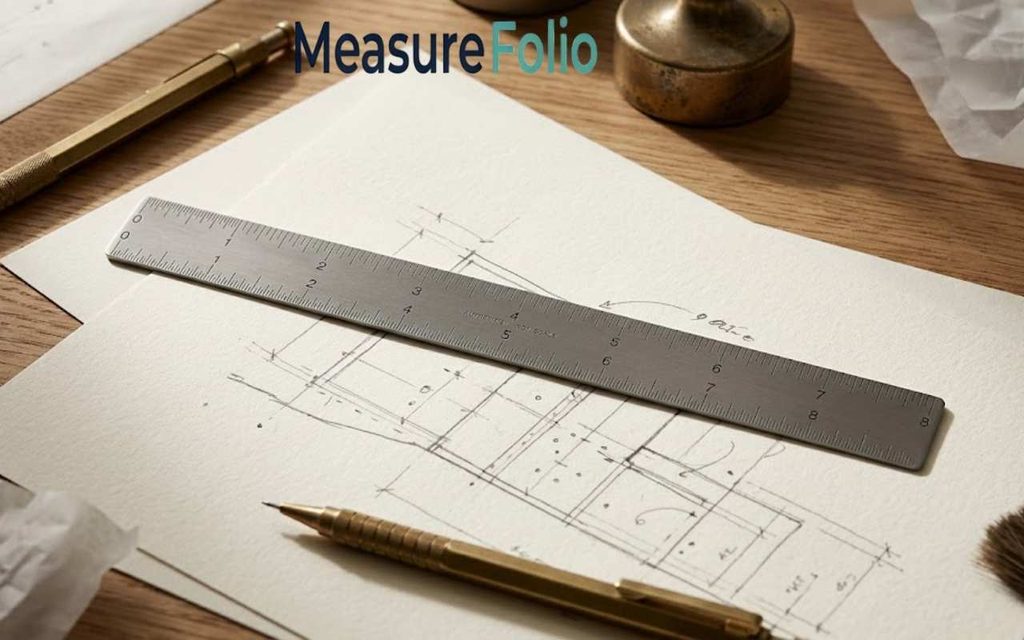
Some pocket and drafting rulers stop at exactly 8 inches. They’re less common than the 6-inch and 12-inch versions. Still, they make ruler measurement easy when you’re working at a small desk. Because an inch ruler marks every sixteenth, you can check fine details too.
Mini Serving Tongs

Small tongs for appetizers, ice, and sugar cubes often hit this length. Most come in stainless steel with scalloped tips that grip delicate food. Among kitchen tools, they’re a handy reference because most cooking utensils drawers hold a pair.
Pick them up, and you’ll feel how compact this size is. Since the spring arm closes flat, you can lay them on the counter and read the length straight off a tape.
A TV Remote Control
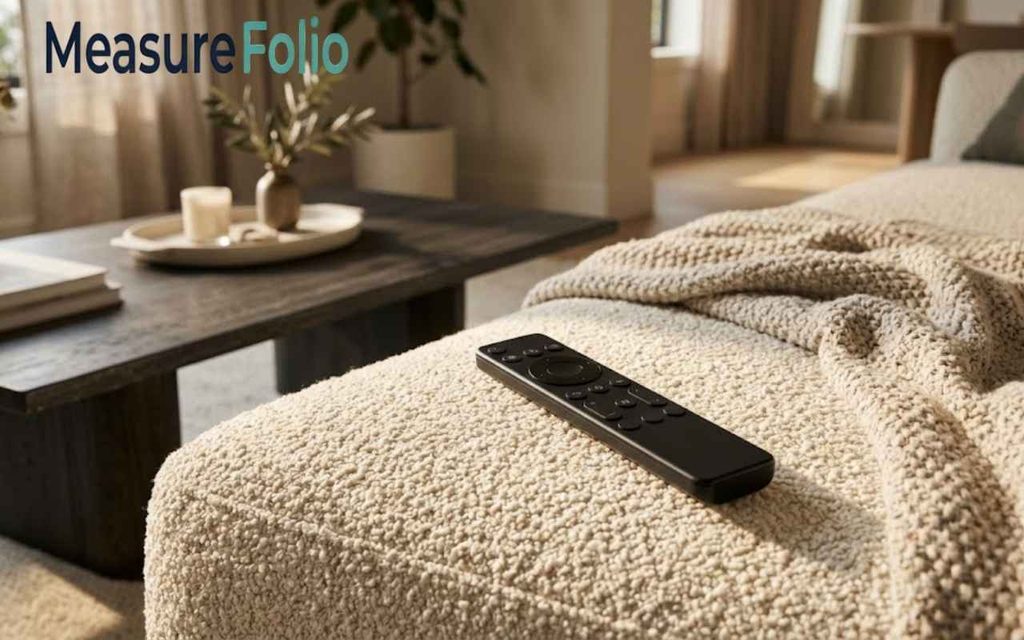
Many remotes run roughly 8 to 9 inches. Your TV remote control may be a few tenths over or under. Check yours with a tape. Remote dimensions vary by brand, but the handheld device shape stays similar. A television remote also makes a great sofa-side ruler.
A Child’s Foot

Feet grow quickly in early childhood, so a measurement taken in spring may be outdated by fall. US kids’ size 13 comes close to 8 inches in foot length. Little-kid sizes top out at 13 before youth sizing starts over at 1. Shoe sellers measure the foot, not the shoe, so the insole runs slightly longer. Parents often check this before buying school shoes.
A Mini Tablet
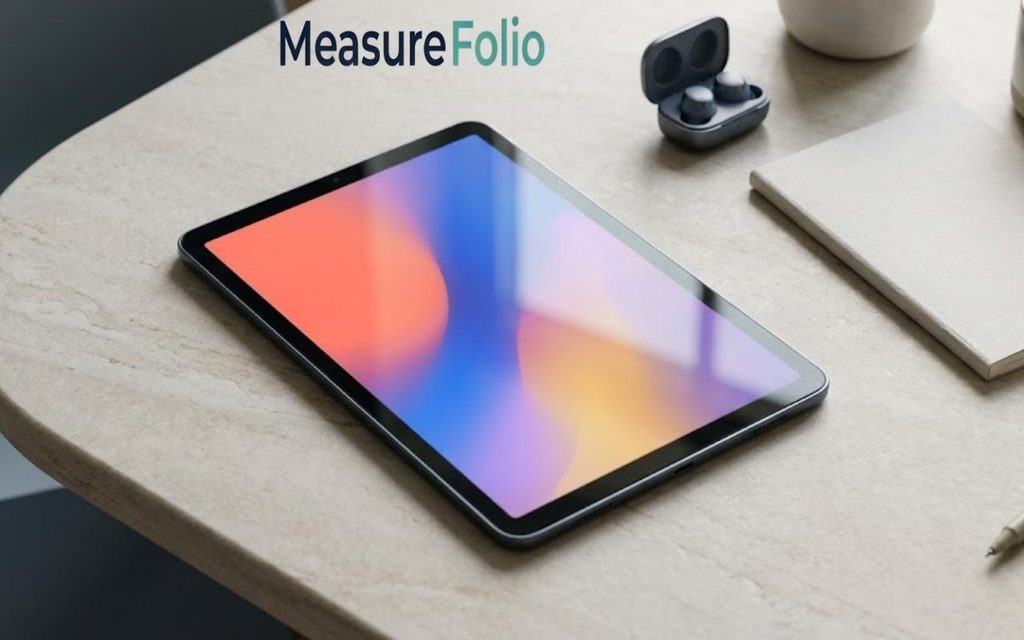
Screens in the 8-inch class include Apple’s iPad mini, which has about an 8.3-inch display. Note that tablet sizes are measured on the diagonal, not from top to bottom. So the screen’s true height is shorter than the label suggests. That makes a tablet a handy but imperfect ruler. To confirm the number, run a tape from one corner of the glass to the opposite corner.
A Dinner Fork
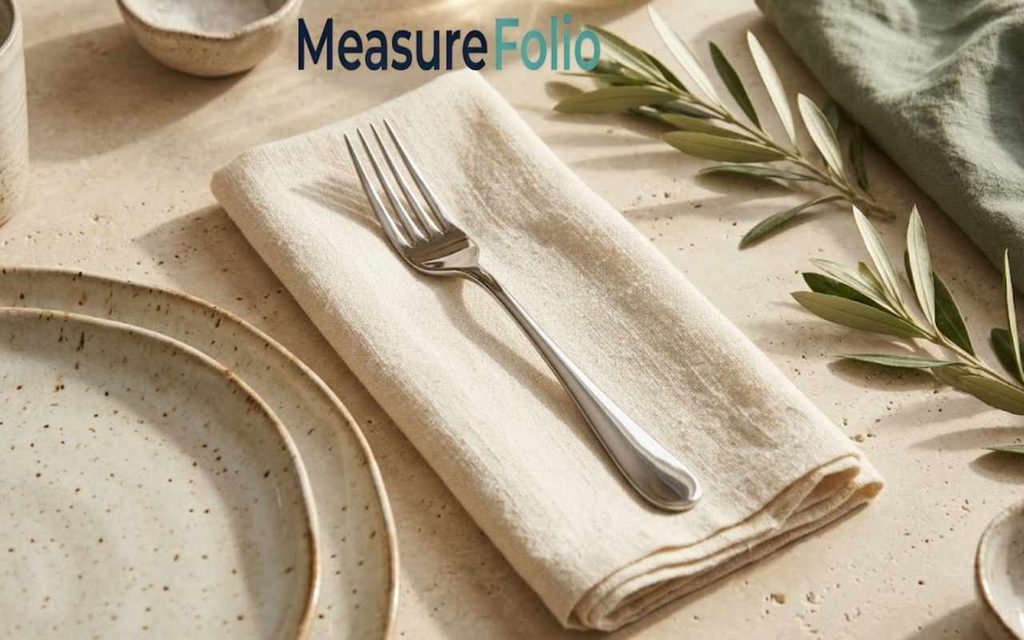
Full-size forks typically measure 7 to 8 inches. Dinner forks run a little longer than salad forks, which usually fall closer to 6.5 to 7 inches. Pull one from the drawer, and you’ve got a daily-use object that doubles as a ruler. Flatware sets differ by brand, so measure from the tine tips to the end of the handle. Bonus: it’s already clean.
A Bread Knife Blade
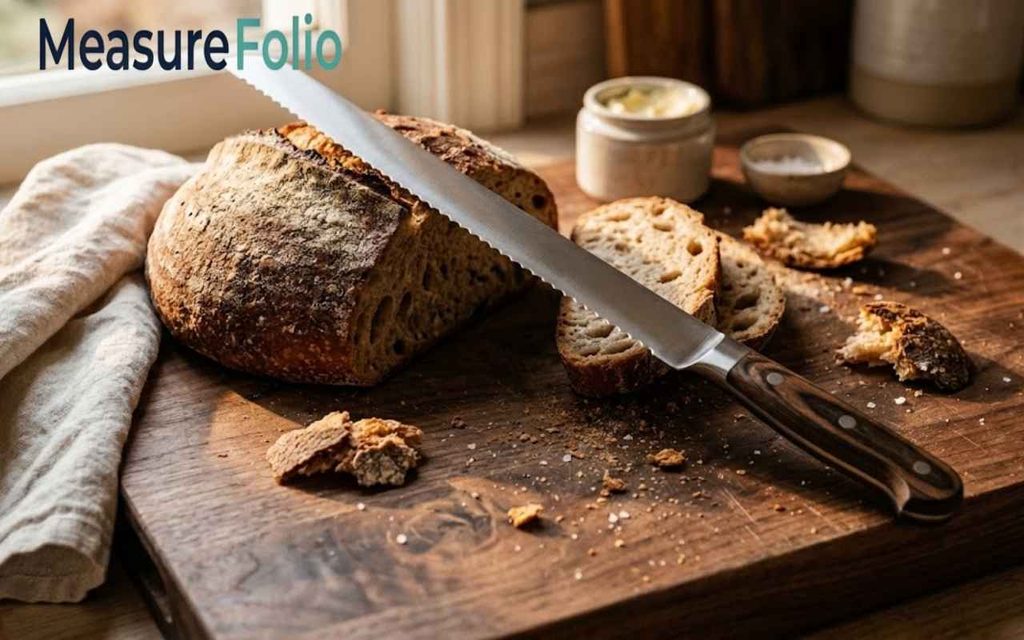
Compact bread knives often carry an 8-inch blade. In the world of food preparation tools, that length slices a standard loaf with a single pass. Serrated edges grip the crust without crushing the soft crumb inside. Be careful, though. Measure the blade only, not the handle.
A Small Picture Frame
An 8×10 frame gives you 8 inches on the short side. This is one of the most popular photo sizes in the U.S. Photo labs print it as a standard enlargement, so replacement prints are easy to find. The opening is often a touch smaller than the outer edge, so check the label for the photo size it holds. If you own a few frames, you already own a set of size comparisons.
An 8-Inch Adjustable Wrench
Home toolkits almost always include one. An 8-inch adjustable wrench handles most nuts and bolts around the house. Makers name these wrenches by overall length rather than jaw opening. An 8-inch model usually opens to roughly an inch. It’s a classic among practical examples of this length.
How to Measure 8 Inches Without a Ruler
Stuck without a tape? No problem. These measuring techniques rely on items with published, reliable dimensions. They also differ from the list above, so you’ll learn something new.
A Dollar Bill Plus Two Quarters
A U.S. bill measures about 6.14 inches long. A quarter is about 0.96 inches wide. Lay the bill down, then place two quarters end to end beside it. You’ll land at roughly 8 inches. The U.S. Currency Education Program publishes these dimensions.
Four AA Batteries End to End
Each AA battery runs about 2 inches. Line up four, and you reach near 7.95 inches. That’s close enough for most home projects. It’s a smart way to estimate length when you’re in a drawer-digging mood.
A Letter-Sized Sheet With the Short Edge Trimmed
A standard sheet’s short edge measures 8.5 inches. Fold back about half an inch, and the remainder gives you your mark. Any paper size reference confirms these dimensions.
Each method gives an approximate measurement within a few percent. For woodworking, sewing, or anything precise, use a standard ruler instead. For quick length estimation, though, these tricks work beautifully.
Quick Quiz: Test Your 8-Inch Knowledge
Ready to see what stuck? Try these five questions, then check the answers below.
- How many centimeters equal 8 inches?
- How many 8-inch lengths fit into 4 feet?
- About how many months does hair need to grow 8 inches?
- Which holds more food: an 8-inch pizza or a 12-inch pizza?
- True or false: a block called “8×8×16” measures exactly 8 inches high.
Answers:
- 20.32 cm
- 6 (4 feet equals 48 inches, and 48 ÷ 8 = 6)
- About 16 months, at half an inch per month
- The 12-inch pizza, with more than twice the area
- False. It measures about 7⅝ inches.
Conclusion
8 inches is a friendly length. It sits between a pencil and a dinner plate, and it fits in one hand. Once you link it to a few objects around you, the number stops feeling abstract.
Next time a product page leaves you guessing, pick your favorite reference from the list above. Stretch out your hand span, hold it up to the screen, and decide with confidence.
FAQs About 8 Inches
Still curious? Here are quick answers to three questions people often ask about this length.
How many 8 inches pieces fit into a yard?
A yard holds 36 inches, so you can cut 4 full pieces with 4 inches left over. That’s 4.5 pieces in total. It’s handy for ribbon, fabric strips, and trim.
Is 8 inches of snow a lot?
Yes. Eight inches of snow counts as a heavy fall for most cities, and it often closes schools and slows roads. At a typical 10-to-1 snow-to-water ratio, it holds about 0.8 inches of liquid water.
Which countries still use inches?
The United States uses inches in daily life. Liberia and Myanmar also use customary units in some settings. The United Kingdom keeps inches for a few items, such as screen sizes and informal height. Most other countries rely on the metric system, where this length is simply 20.32 cm.

Hi there, I’m Elanor Albert, the admin for the Measurements category here at Measure Folio. I believe that getting the exact numbers shouldn’t be a struggle. My goal is to share simple, accurate guides and tool reviews so you can measure with absolute confidence. I’m thrilled to help you master the art of precision!