

Ever tried picturing a length just by hearing a number? It is harder than it sounds. You can hear “10 inches” a hundred times and still not have a clear picture in your head until you compare it to something you already know, like your hand, your dinner plate, or the phone sitting on your desk.
That is exactly what this guide does. Instead of throwing numbers at you and calling it a day, we are walking through 10 inches using objects you already touch, hold, or see every day. By the end, you will not just know that 10 inches long equals a certain number on paper. You will actually feel it.
Whether you are trying to eyeball a 10-inch measurement for a DIY project, curious about everyday measurements, or just enjoy random size trivia (no judgment here), this one is for you.
Quick Conversion: 10 Inches in cm, mm, and Feet
Before we get into the fun stuff, let us knock out the math. Here is 10 inches broken down into other common units, so you have got a cheat sheet handy.
| Unit | Equivalent |
|---|---|
| Centimeters | 25.4 cm |
| Millimeters | 254 mm |
| Feet | 0.833 ft |
| Meters | 0.254 m |
| Yards | 0.278 yd |
Simple enough, right? Now that the math’s out of the way, let us get to the good part: real objects that match this 10-inch length.
20 Common Objects That Are Roughly 10 Inches Long
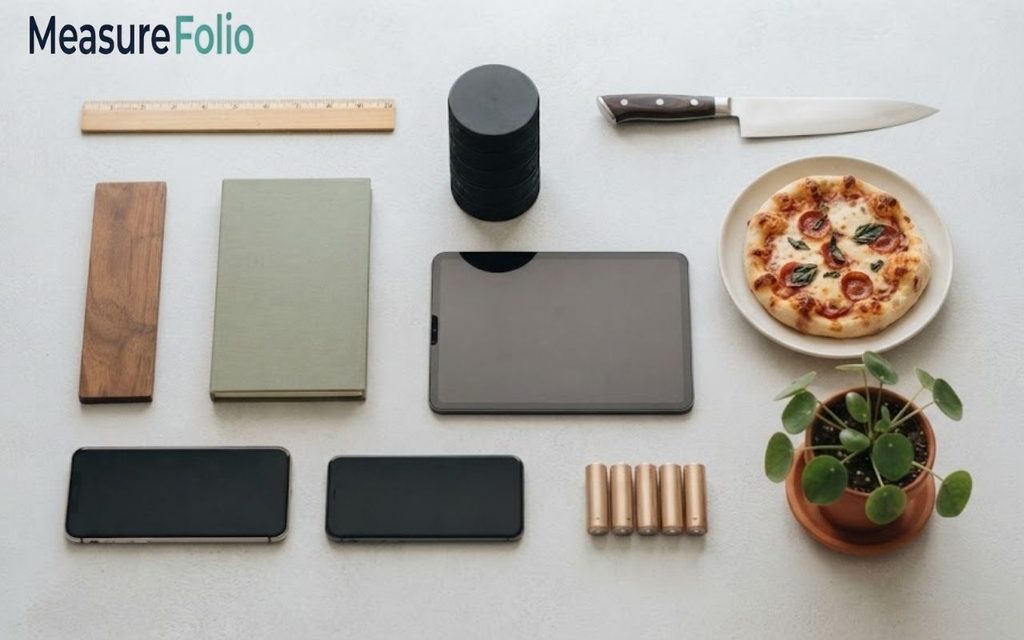
Here is the thing about measurements. Numbers alone do not stick. Objects do. So here are 20 things you can picture, hold, or compare on the spot to nail down what 10 inches actually looks like.
1. An Adult’s Hand, Fingers Spread
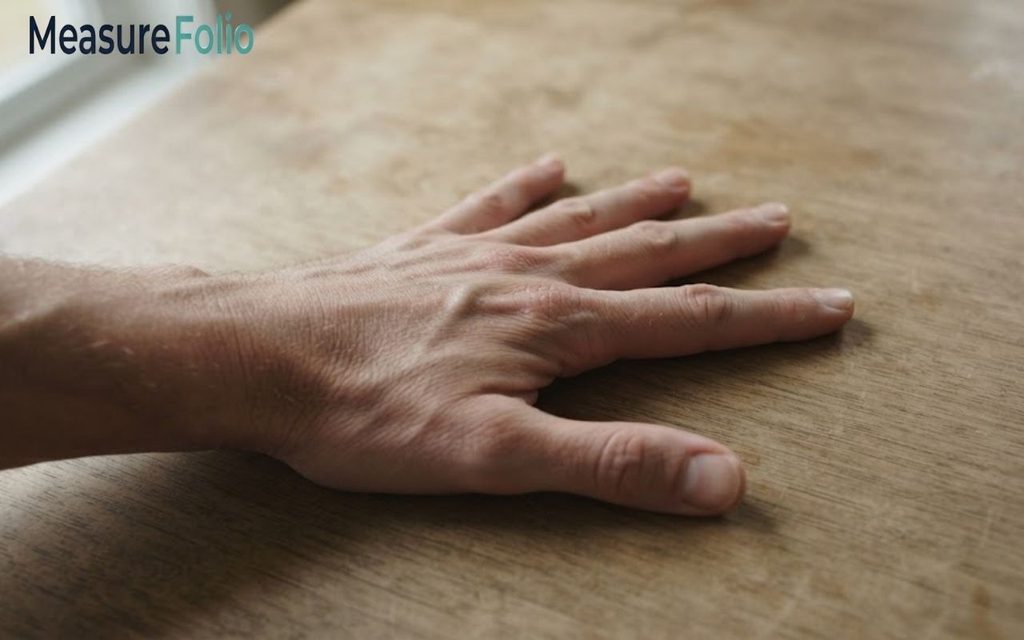
Stretch your hand out wide, thumb to pinky. For most adults, that span lands somewhere between 8 and 10 inches, depending on hand size. It is not exact science, but it is one of the fastest ways to eyeball a quick measurement without grabbing a tool.
Next time you are at a hardware store without a tape measure, your own hand’s got your back.
2. The Length Marked on a Standard Ruler
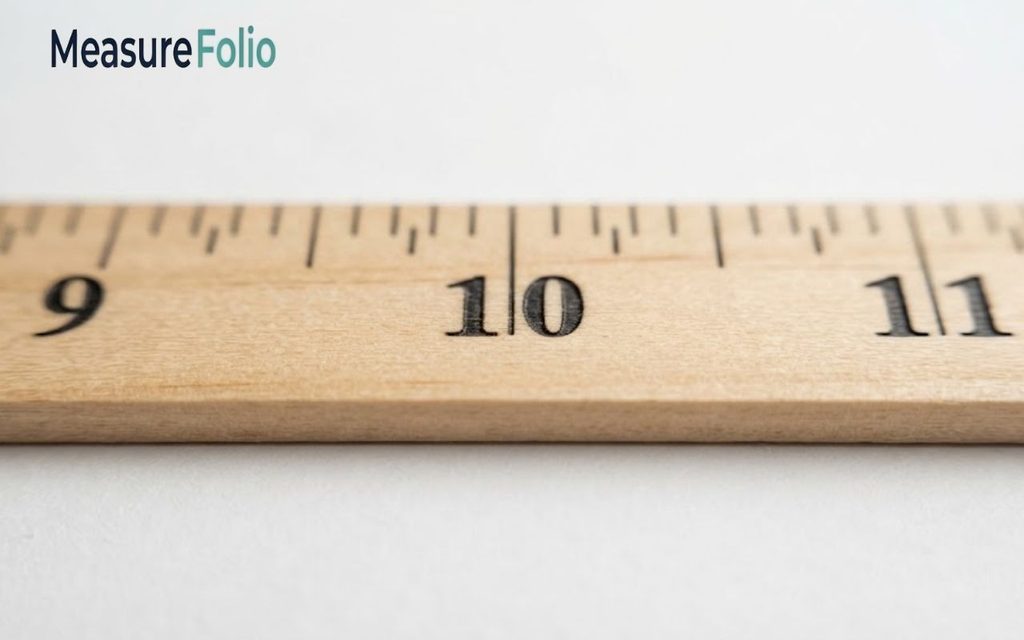
A standard ruler typically runs 12 inches, so 10 inches sits just shy of the very end, about two inches before the tip. If you have got a 12-inch ruler lying around, this is the most literal and reliable way to visualize the length. It is your go-to measuring tool for a reason.
3. The 10-Inch Height of a 10th-Gen iPad
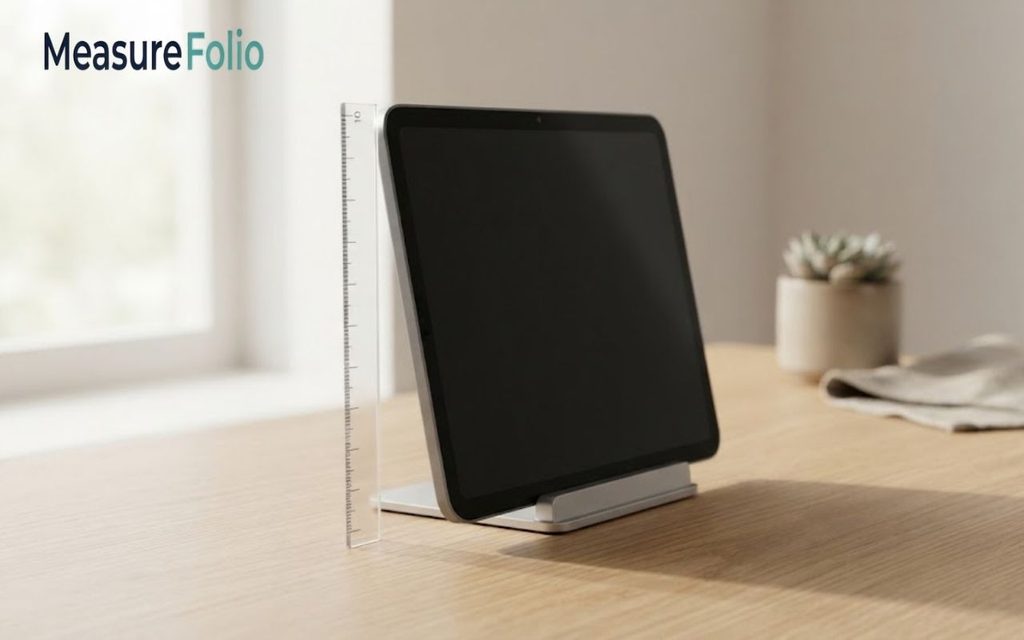
Apple’s 10th generation iPad measures roughly 9.79 inches in height, which rounds out to almost exactly 10 inches long. If you own one, prop it up vertically. That is your reference, right there, no ruler required.
4. Two iPhone SE Screens Laid End to End
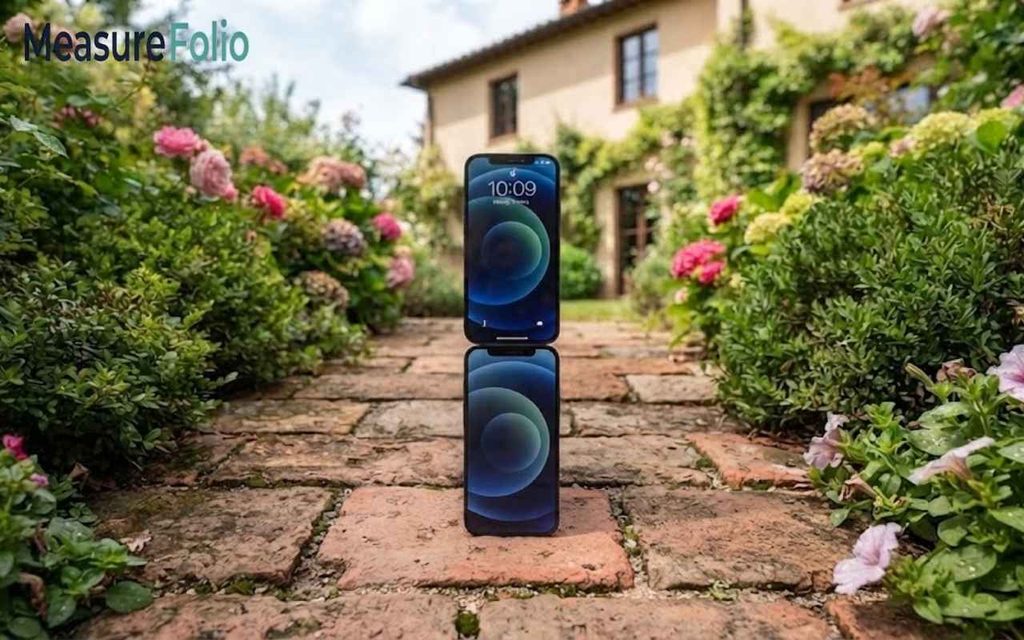
A single iPhone SE runs about 5.45 inches tall. Line up two of them, top to bottom, and you land close to 10 inches. It is a neat trick if you have got an old SE lying in a drawer somewhere.
5. A Pair of iPhone 12 Minis Stacked Lengthwise
The iPhone 12 Mini measures around 5.18 inches in height. Stack two together and you are just a hair under 10.4 inches, close enough to visualize the ten-inch length without much guesswork.
6. The Long Edge of an A4 Sheet

A4 paper measures 8.27 x 11.69 inches. The shorter edge does not quite hit 10, but fold that sheet slightly or picture it standing on its longer edge, and you are right in the neighborhood. It is a handy trick if you are working with standard paper at your desk and need a rough gauge.
7. Five AA Batteries Lined Up
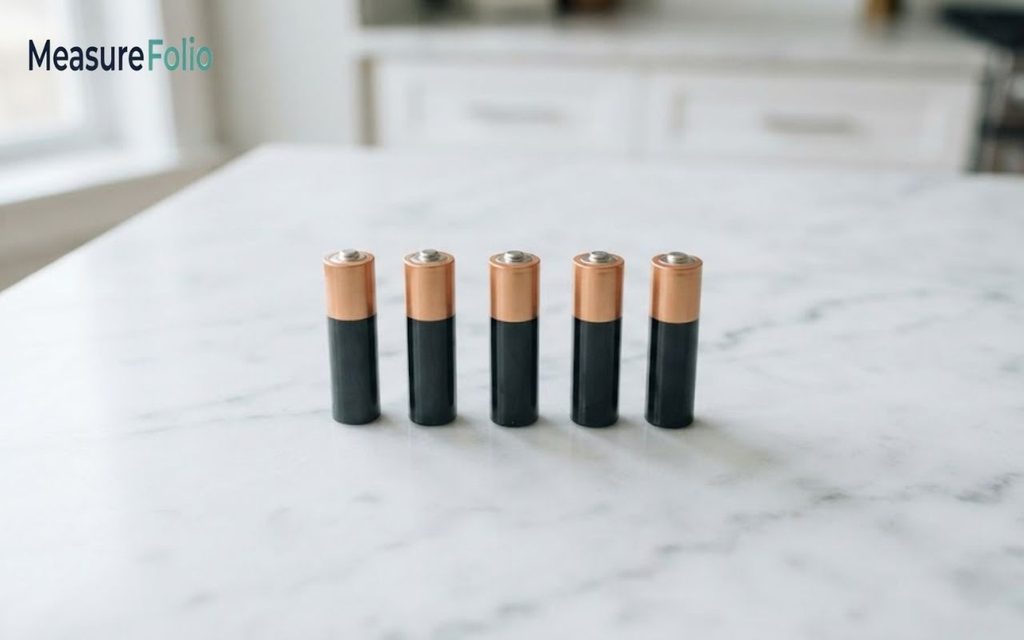
A single AA battery measures about 1.97 inches. Line up five, end to end, and you will land almost exactly on this measurement. Given how common AA batteries are in remotes, flashlights, and toys, this is one of the more accessible comparisons on the list.
8. A Stack of Ten Hockey Pucks
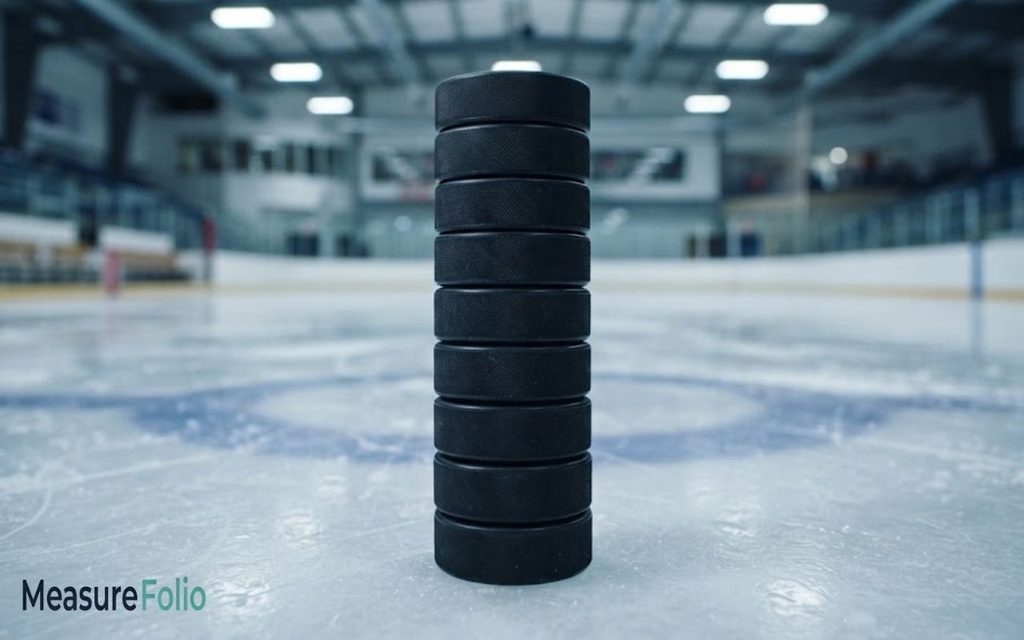
Each hockey puck is exactly 1 inch thick, standardized across the sport. Stack ten of them, and you have got a perfect 10-inch tower. It is oddly satisfying to think about, honestly.
9. Ten US Quarters in a Row Equal to 10 Inches
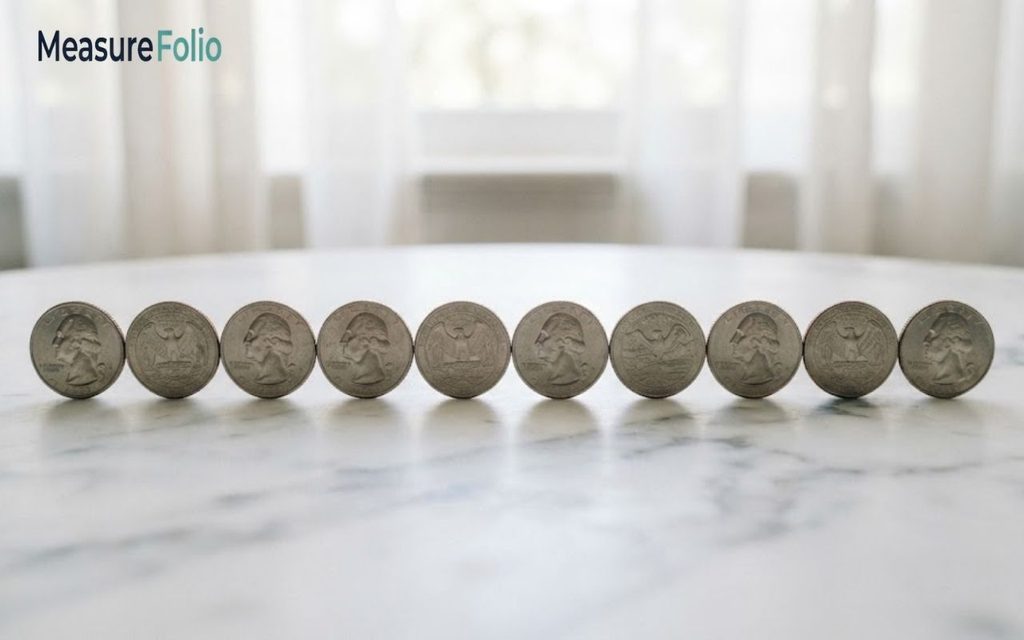
A single quarter has a diameter of 0.955 inches. Line up ten US quarters side by side, edge to edge, and you will come in just under 10 inches, roughly 9.55 inches to be precise. Coin math checks out.
10. The Blade of a Standard Bread Knife
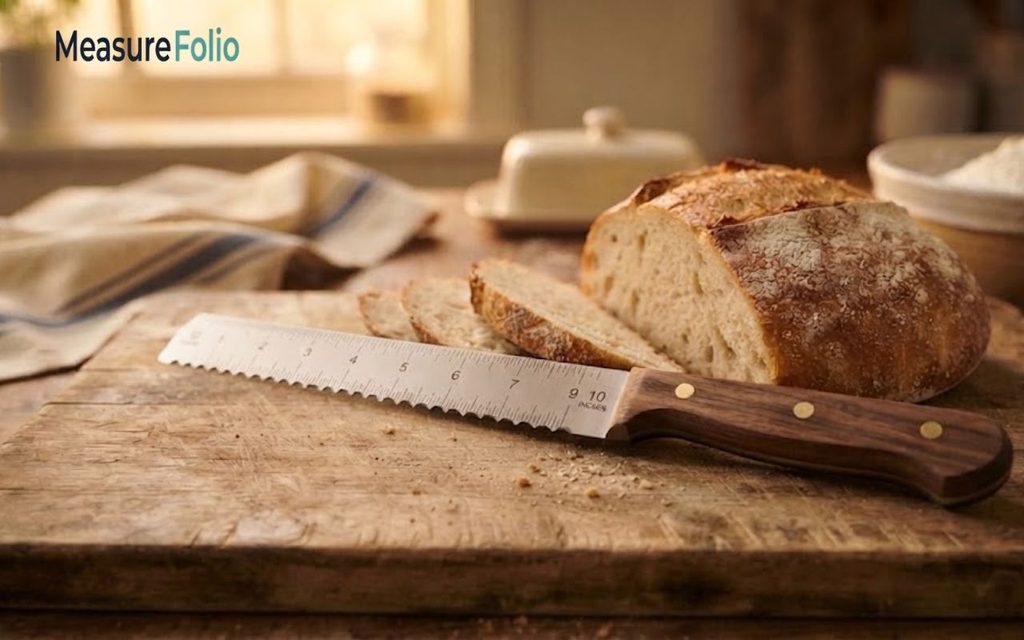
Most bread knives feature blades between 8 and 10 inches long, built long enough to saw through a full loaf in one clean motion. If you have got one in your kitchen drawer, pull it out. That blade is likely your 10-inch reference, sitting right there next to the cutting board.
11. Five Matchsticks Laid End to End
A regular matchstick measures roughly 2 inches. Line up five in a row and you will hit 10 inches almost exactly. It is a small, precise way to visualize the length using something most kitchens or junk drawers already have.
12. Three Playing Cards Stacked on Their Long Side
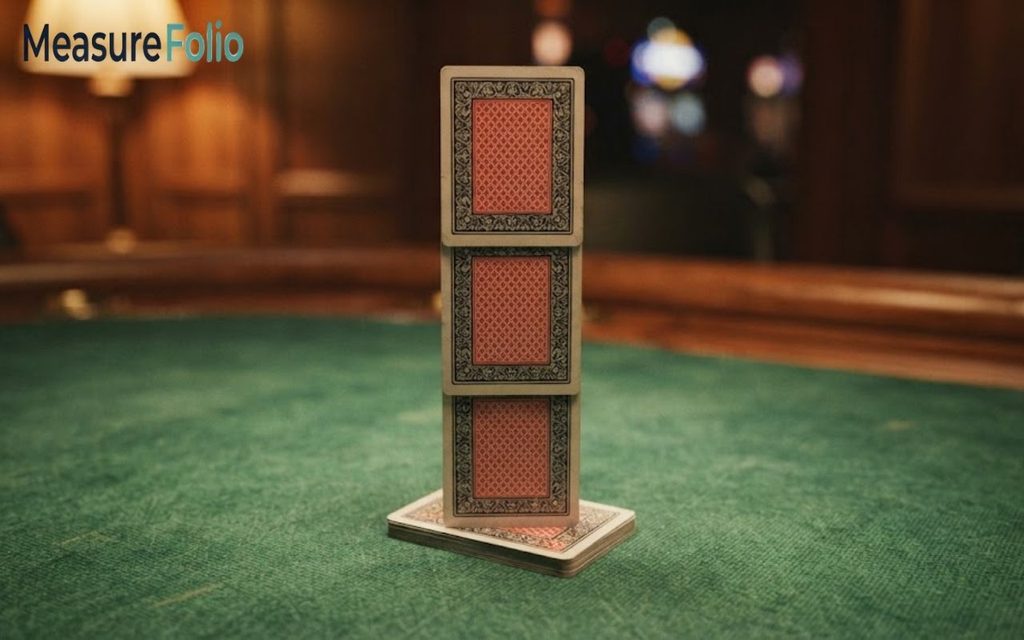
A standard playing card measures 3.5 inches on its long edge. Stack three side by side, lengthwise, and you land at 10.5 inches, close enough to call it 10 inches long for casual purposes.
13. The Diameter of a Standard Dinner Plate
Most dinner plates used in Western households measure between 10 and 11 inches across. Next time you sit down for dinner, glance at your plate. There is a decent chance you are staring straight at a real-world 10-inch measurement.
14. A Personal-Size Pizza, Edge to Edge
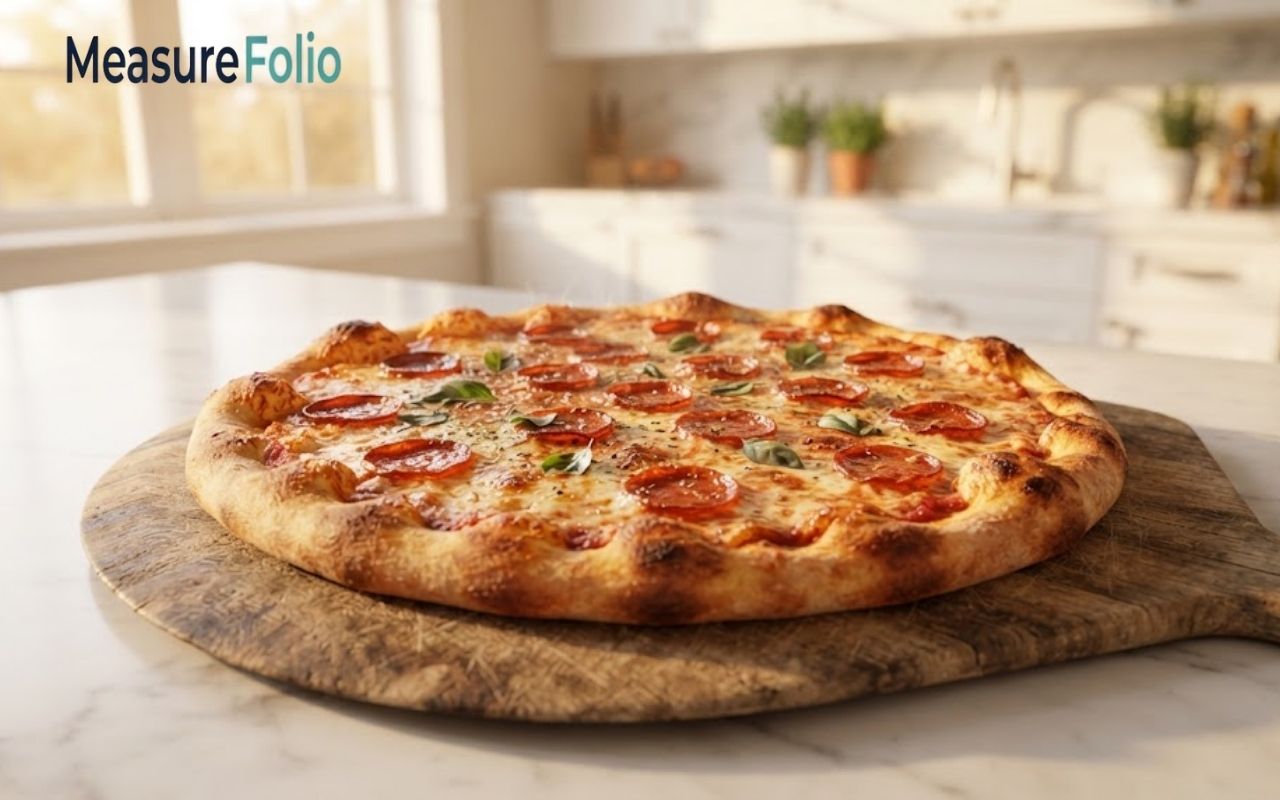
Ever ordered a small pizza for yourself and wondered how it stacks up size-wise? Most personal pizzas measure right around 10 inches in diameter, the same as a standard dinner plate. Coincidence? Not really, pizza makers size their pies to fit common plates and boxes.
15. A Chef’s Knife Blade Measuring 10 Inches
A professional-grade chef’s knife typically runs 8 to 10 inches, with the 10-inch version being a favorite among serious home cooks and chefs who need extra reach for larger cuts of meat or vegetables. If you have upgraded your kitchen knives recently, there is a good chance your kitchen knife blade lands in this exact range.
16. A Regulation Frisbee’s Diameter
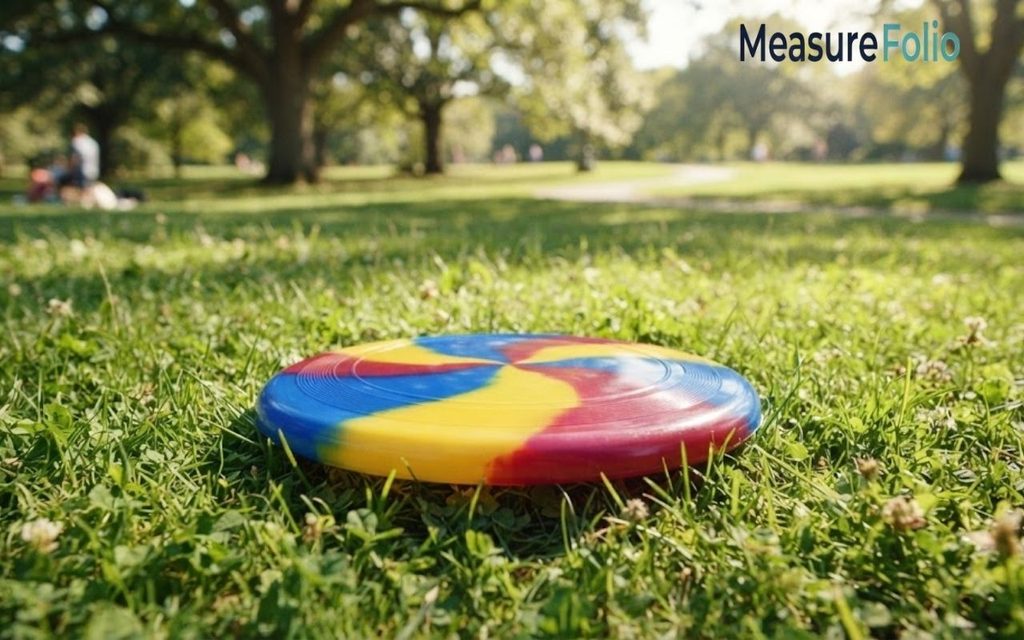
Standard frisbees used in recreational play typically measure between 8.5 and 10.75 inches across, depending on the brand and model. The next time you are tossing one around at the park, you are literally throwing a close approximation of 10 inches through the air.
17. The Distance from Elbow to Wrist (Forearm Length)
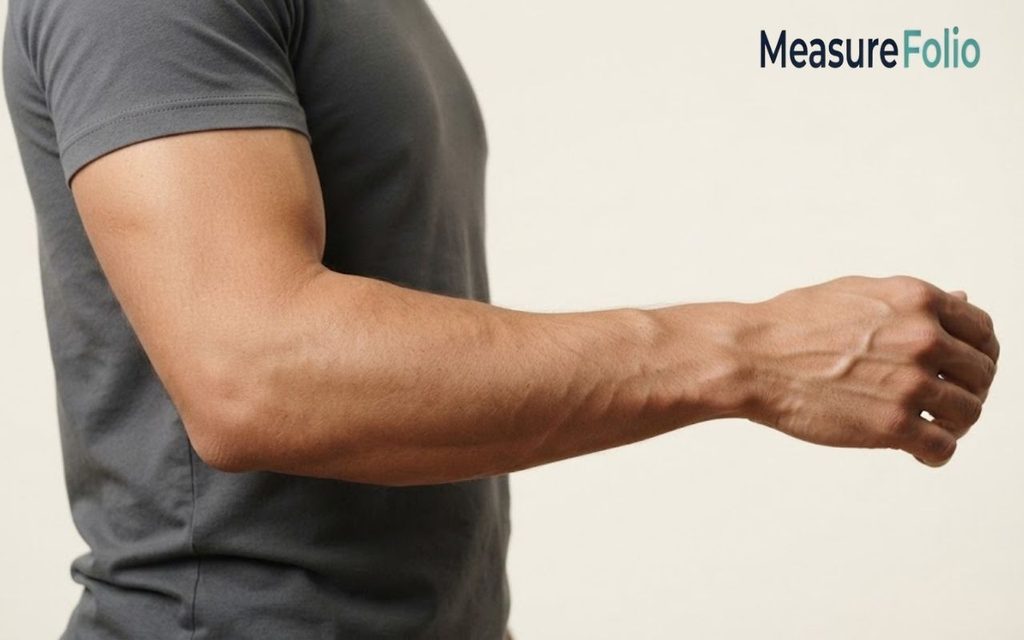
Here is a comparison you will not find on most lists. For a good number of adults, the distance from the elbow crease to the wrist bone measures somewhere between 9 and 11 inches. It is a wildly convenient built-in ruler, since you are carrying it with you at all times. Bend your arm and check it out.
18. A Large Kitchen Mixing Bowl’s Diameter

Mixing bowls used for baking or prepping meals often measure around 10 inches across at the rim, especially the mid-to-large sizes found in most kitchen sets. If you bake even occasionally, there is likely one sitting in your cabinet right now that matches this exact width.
19. The Length of a Standard Shoebox
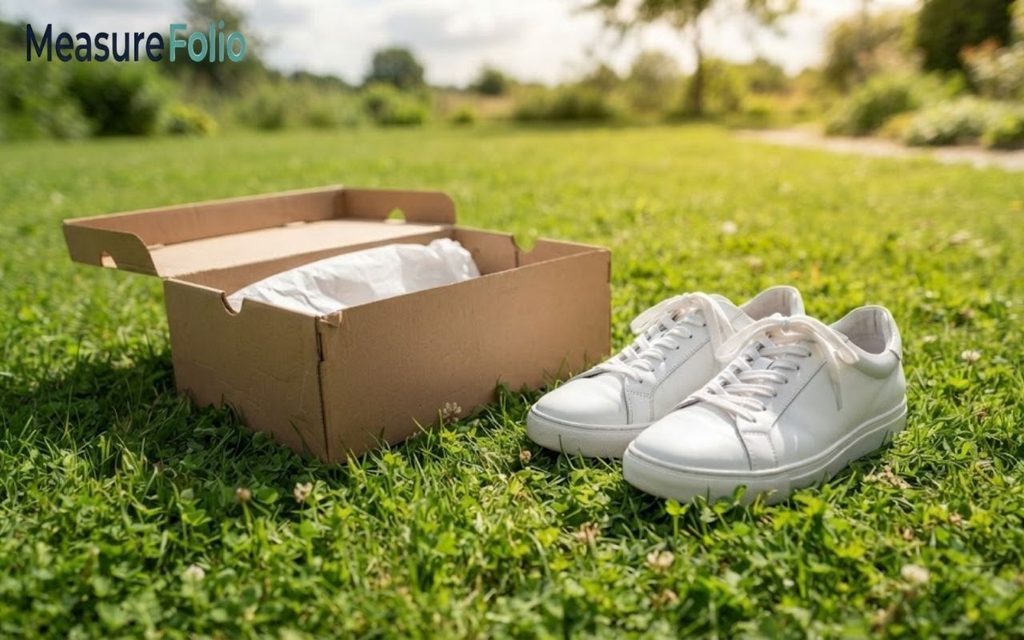
Most adult shoeboxes measure somewhere between 12 and 13 inches long, but the width often lands closer to ten inches. Next time a package arrives in a shoebox, flip it sideways. The shorter edge is probably darn close to what we are talking about here.
20. A 10-Inch Subwoofer’s Cone Diameter
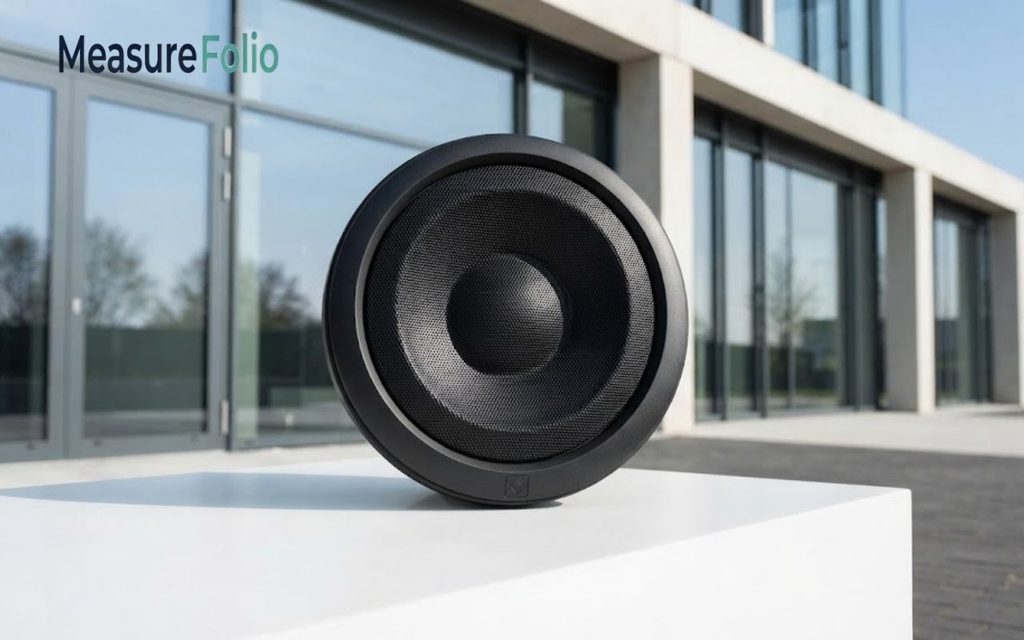
In home audio and car audio setups, a 10-inch subwoofer refers to the actual diameter of the speaker cone itself. It is one of the most popular subwoofer sizes on the market, striking a balance between deep bass output and a compact enough footprint to fit in most vehicles or media rooms.
10 Inches Compared to Your Own Body
Your body’s actually a surprisingly reliable measuring tool, and once you know your own numbers, you will never be caught without a way to estimate length.
- Hand span (fingers spread): roughly 8 to 10 inches for most adults
- Forearm (elbow to wrist): typically 9 to 11 inches
- Foot length (heel to toe): usually 9 to 12 inches, depending on shoe size
Measure your own hand and forearm once with an actual ruler, and you will have a built-in reference for life. It beats fumbling for a tape measure every time you need a rough estimate.
How to Estimate 10 Inches Without a Tape Measure
Not every situation calls for precision tools. Sometimes you just need a fast, “close enough” number. Here is how to get there.
Use your hand span Spread your fingers wide from thumb tip to pinky tip. For most adults, that is close to 10 inches. Measure yours once with a real ruler so you know your personal number.
Use a sheet of paper Grab a piece of A4 paper or standard letter paper. The longer edge (11 inches on US letter paper) gets you close, and folding it slightly trims it down to almost exactly 10.
Use two smartphones side by side Most modern phones run between 5 and 6 inches tall. Line up two of the same model, stacked end to end, and you will land somewhere near ten inches without much fuss.
Use a dinner plate As mentioned earlier, most standard plates measure 10 to 11 inches across. If one is already on the table, you have got an instant reference without lifting a finger.
Is 10 Inches Considered Big or Small?
Honestly? It depends entirely on context, and that is not a cop-out answer.
- For a tablet screen, 10 inches is considered mid-to-large, comfortable for reading, browsing, and light work.
- For a sub sandwich, 10 inches is a solid, filling portion, bigger than a snack but not quite a party-sized order.
- For a wall clock, 10 inches is compact, ideal for smaller kitchens or hallways without overwhelming the space.
- For a cutting board, 10 inches wide is fairly standard, enough room to work without eating up your whole counter.
- For a flower pot, 10 inches in height suggests a medium to large planter, suited for full-grown houseplants rather than small starter greens.
So the real answer is: 10 inches is a genuinely flexible middle-ground measurement. It is big enough to matter and small enough to stay practical across dozens of everyday items.
5 Fun Facts About 10 Inches
1. It’s the exact height of a bowling pin. A bowling pin stands 15 inches tall, but its widest point sits almost exactly 10 inches up, right where a strike ball tends to connect.
2. It’s roughly the length of a newborn’s femur bone. A full-term newborn’s thigh bone measures close to this length, one reason pediatricians track bone growth so closely early on.
3. It’s the classic vinyl record size for singles. Before 12-inch LPs took over, 10-inch records dominated the music industry through the 1940s and early 1950s, spinning most of the era’s hit singles.
4. Ten inches of rainfall can trigger serious flooding. Meteorologists consider this a major flood-risk threshold in many regions, enough to overwhelm storm drains and flood streets within 24 hours.
5. It’s the wingspan of a small hawk, tip to shoulder. Species like the sharp-shinned hawk have a single wing measuring close to 10 inches, even though their full wingspan stretches much wider.
Quick Quiz: Test Your 10-Inch Knowledge
1. How many centimeters are in 10 inches?
A) 20.4 cm B) 25.4 cm C) 30.4 cm D) 15.4 cm
2. How many regulation hockey pucks stacked together equal exactly 10 inches?
A) 5 pucks B) 8 pucks C) 10 pucks D) 12 pucks
3. Roughly how many US quarters lined up edge to edge come closest to 10 inches?
A) 5 quarters B) 10 quarters C) 15 quarters D) 20 quarters
4. What is 10 inches equal to in feet?
A) 0.5 feet B) 0.833 feet C) 1 foot D) 1.2 feet
5. Which of these is typically NOT close to 10 inches in length?
A) A standard dinner plate B) A personal-size pizza C) A single AA battery D) A chef’s knife blade
Answers
- B) 25.4 cm
- C) 10 pucks (each puck is exactly 1 inch thick)
- B) 10 quarters (10 quarters line up to about 9.55 inches)
- B) 0.833 feet
- C) A single AA battery (a single AA battery is about 1.97 inches; you’d need five of them to reach 10 inches)
Final Thoughts
Ten inches shows up in more places than most people realize, from the plate you eat dinner on to the subwoofer thumping in your car. Once you have got a handful of solid mental comparisons locked in, whether it is your hand span, a stack of hockey pucks, or a personal pizza, you will never need to squint at a tape measure trying to picture a length again.
Next time someone mentions 10 inches, you will have an instant, real-world image ready to go. That is the whole point of measurement comparisons like this one: turning abstract numbers into something you can actually picture, hold, or compare on the spot.
FAQs About 10-Inch Measurements
1. What’s the difference between a 10-inch and 12-inch laptop screen?
A 12-inch screen offers about 44% more viewable area than a 10-inch one, even though the diagonal difference sounds small. That extra space matters a lot for multitasking or document work.
2. Can I use a dollar bill to estimate 10 inches?
Not quite on its own. A US dollar bill measures 6.14 inches long, so you’d need about 1.6 bills laid end to end to approximate 10 inches, not the cleanest comparison, but doable in a pinch.
3. Why do so many kitchen tools come in 10-inch sizes?
Ten inches hits a practical sweet spot for hand tools and cookware. It’s long enough for reach and leverage (think knives and skillets) but still short enough to store easily and control comfortably with one hand.
4. Is 10 inches a standard size in construction or woodworking?
Yes, 10-inch increments show up often in building materials, such as certain masonry blocks, tile spacing, and stud layouts, since it divides evenly into common foot and yard measurements.
5. How does 10 inches compare to A5 paper?
A5 paper measures 8.27 x 5.83 inches, so its longer edge falls almost 2 inches short of a full 10-inch length. You’d need to add roughly a quarter of a second A5 sheet to close the gap.

Hi there, I’m Elanor Albert, the admin for the Measurements category here at Measure Folio. I believe that getting the exact numbers shouldn’t be a struggle. My goal is to share simple, accurate guides and tool reviews so you can measure with absolute confidence. I’m thrilled to help you master the art of precision!