

Ever tried picturing 5 inches in your head and come up blank? You are not alone. Most of us do not walk around with a mental ruler, so when a product listing says “5 inches long” or a recipe calls for a “5-inch pan,” it is easy to just shrug and guess. This guide fixes that. By the end, you will have a solid, visual sense of exactly how long five inches really is — no measuring tape required.
We are going to walk through 5 inch reference points you already own or see every day: a computer mouse, an index card, a soda can, and more. Think of this as your personal, no-math measurement reference guide.
How Long Is 5 Inches, Really?
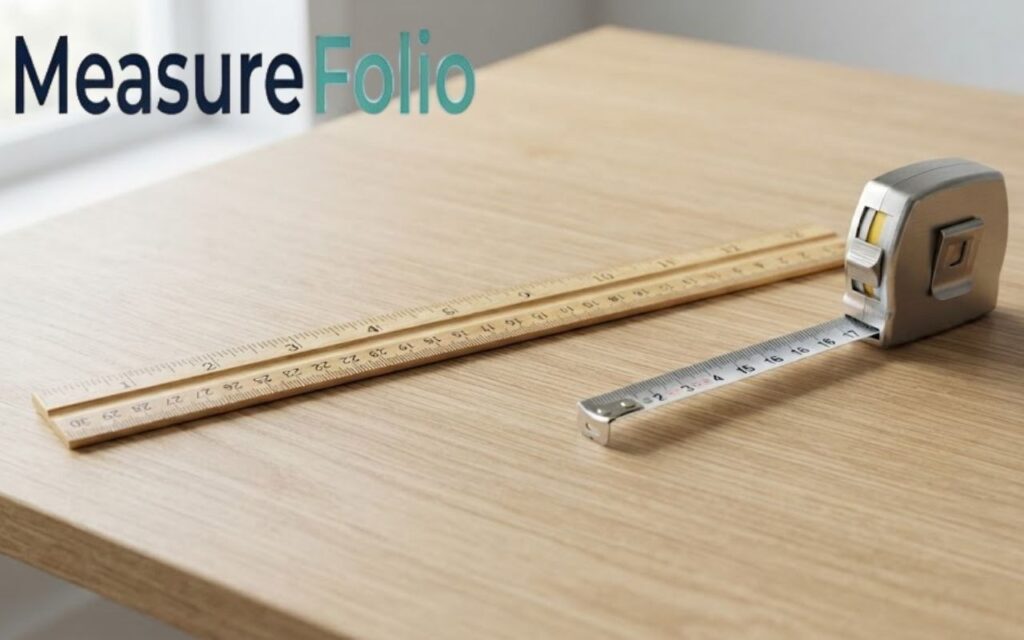
Let us start with the basics. Five inches equals about the length of a standard playing card and a smartphone. It is not tiny, but it is not huge either — it is the kind of 5-inch length that shows up constantly in daily life without most people ever noticing it.
Here is the thing about inches as a unit: they are deceptively hard to feel without a visual reference. You can memorize the number “5 inches” all day, but until you hold something that size in your hand, it does not really click. That is exactly why comparing it to common objects works so much better than staring at a ruler.
A five-inch measurement shows up more often than you would think — in tech specs, cooking dimensions, craft projects, and even clothing tags. Once you have got a mental anchor for it, you will start noticing it everywhere.
Quick Conversion: 5 Inches in Other Units
Before diving into examples, here is the 5 inch size broken down into the units you might actually need:
| Unit | Measurement |
|---|---|
| Centimeters | 12.7 cm |
| Millimeters | 127 mm |
| Feet | 0.42 ft |
| Yards | 0.139 yd |
Keep this table bookmarked. Whether you are filling out an online form or double-checking a package dimension, it saves you the trouble of pulling out a converter app.
What Does 5 Inches Look Like Next to Your Hand?
Here is a neat trick: your own body doubles as a built-in ruler, and it is more accurate than you would expect.
For most adults, the distance from the tip of the thumb to the base of the palm lands somewhere close to 5 inches. It is not exact — hand size varies quite a bit from person to person — but it is a solid ballpark estimate when you are in a pinch and there is no tape measure around.
Another easy trick: hold your palm flat and measure across the width, from the edge near your pinky to the edge near your thumb. For a lot of adults, that width also creeps close to the 5-inch mark. Physical size comparisons like this are why body-based measuring has stuck around for centuries — long before rulers were something people carried in their pockets.
16 Everyday Objects That Measure About 5 Inches
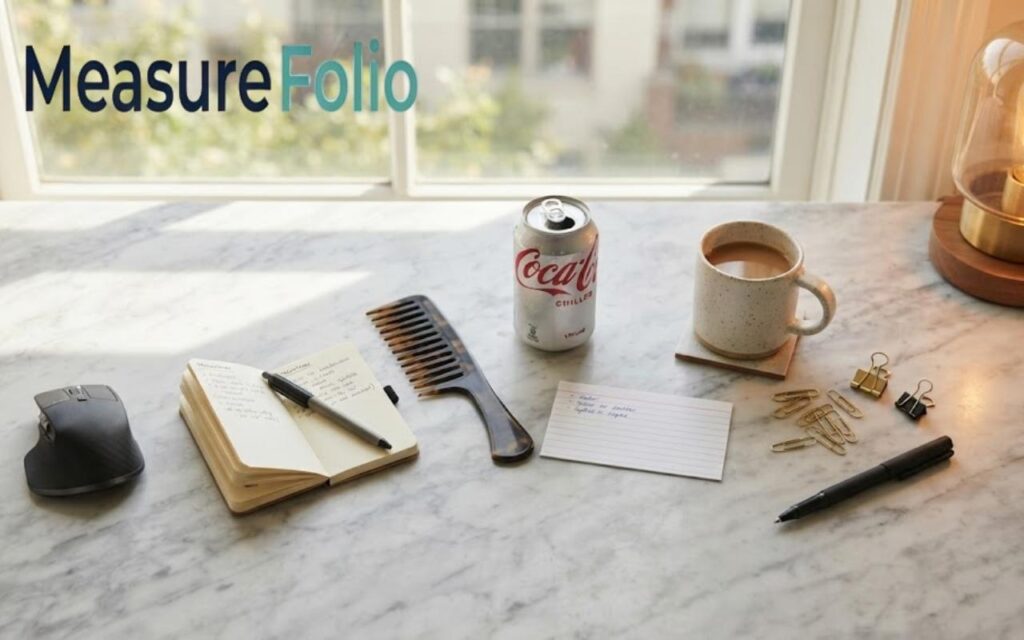
Now for the main event. These are real, familiar objects you have probably touched today or yesterday, each one hovering right around the 5-inch mark.
1. A 3×5 Index Card
This one is almost too perfect. A standard 3×5 card — the classic note card used for flashcards and quick notes — measures exactly 5 inches on its longer edge. It is arguably the cleanest, most literal index card size example on this whole list, since there is zero estimating involved. If you want a flashcard-style visual measurement tool sitting in a drawer somewhere in your house, this is it.
2. Average Computer Mouse
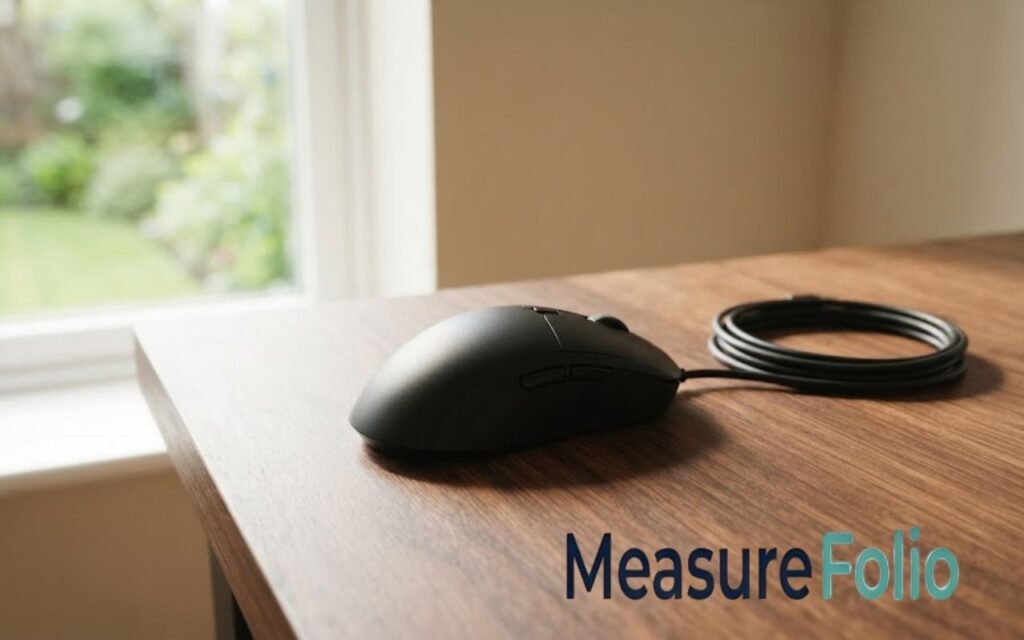
A standard mouse typically runs about 4.5 to 5 inches from front to back. Ergonomic mouse models built for larger hands can nudge closer to the full 5-inch mark. Next time you are gripping your computer accessory during a long work session, you are holding a pretty accurate mouse length reference without even trying.
3. A Small Smartphone
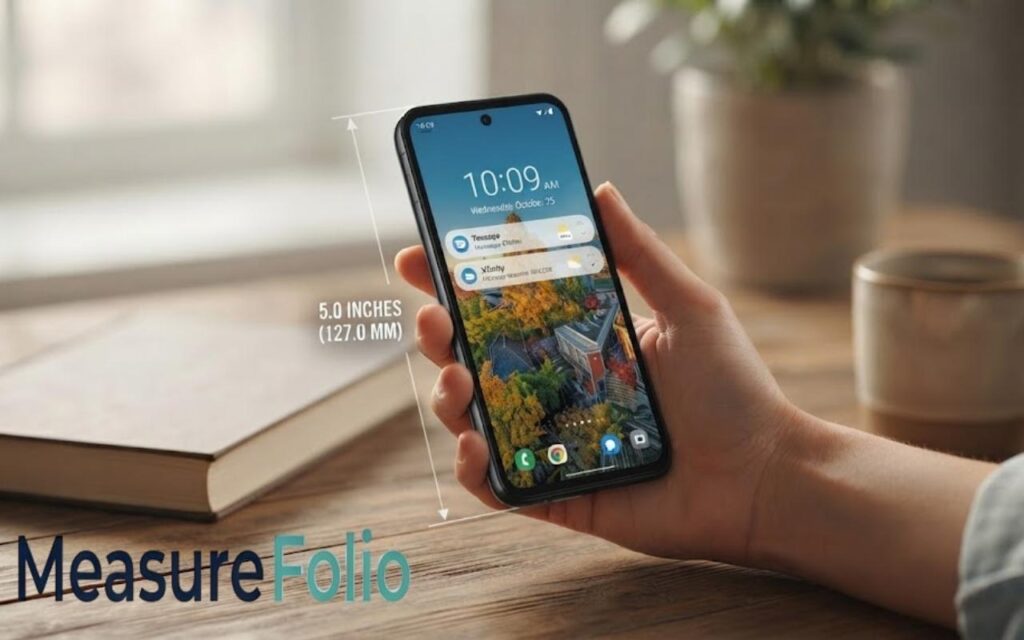
Compact phone models — the kind that fit easily into a single hand — usually measure somewhere between 5 and 5.5 inches tall. Phones have grown over the years, but smaller and budget models still cluster right around this length, making them a handy, pocket-sized measurement example.
4. A Regular Soda Can

Grab a can from the fridge and you are holding a near-perfect 4.8-inch can. This aluminum can height has stayed remarkably consistent across brands for decades, which makes the standard can one of the most reliable beverage can comparisons around.
5. Emery Board or Nail File
A typical fingernail file — the disposable emery board kind, not the metal manicure tool — usually measures close to 5 inches, sometimes stretching a bit longer. Next time you are doing nail care, take a second to notice the file length; it is a standard nail file size for a reason.
6. Travel-Size Comb
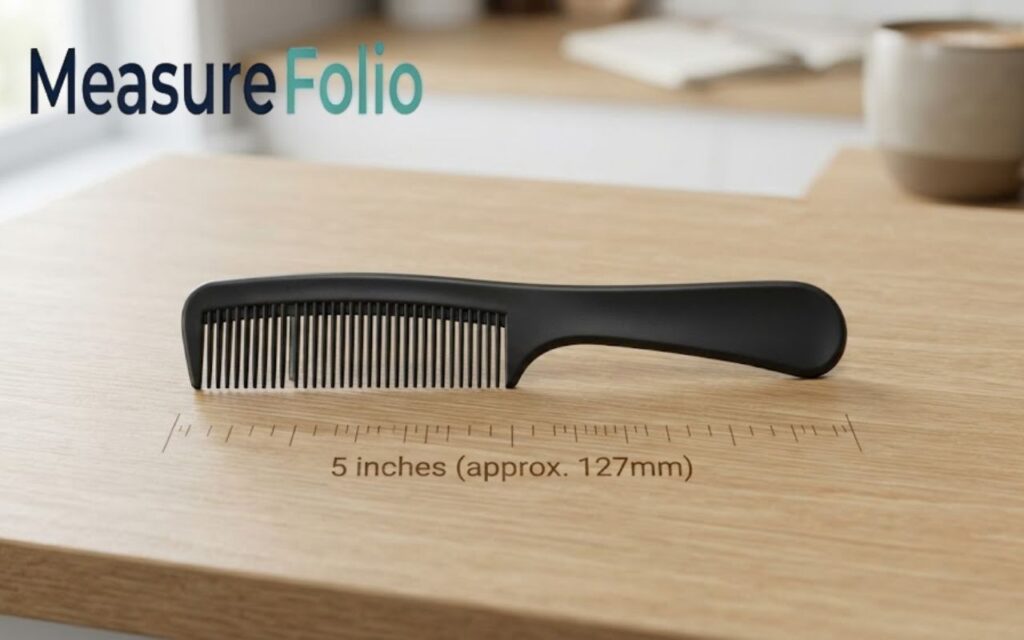
Compact combs made for purses, gym bags, or travel kits typically land around 4.5 to 5 inches. They are intentionally shrunk down from full-size combs, which makes them one of the more overlooked daily items that double as a length guide.
7. A Kitchen Teaspoon
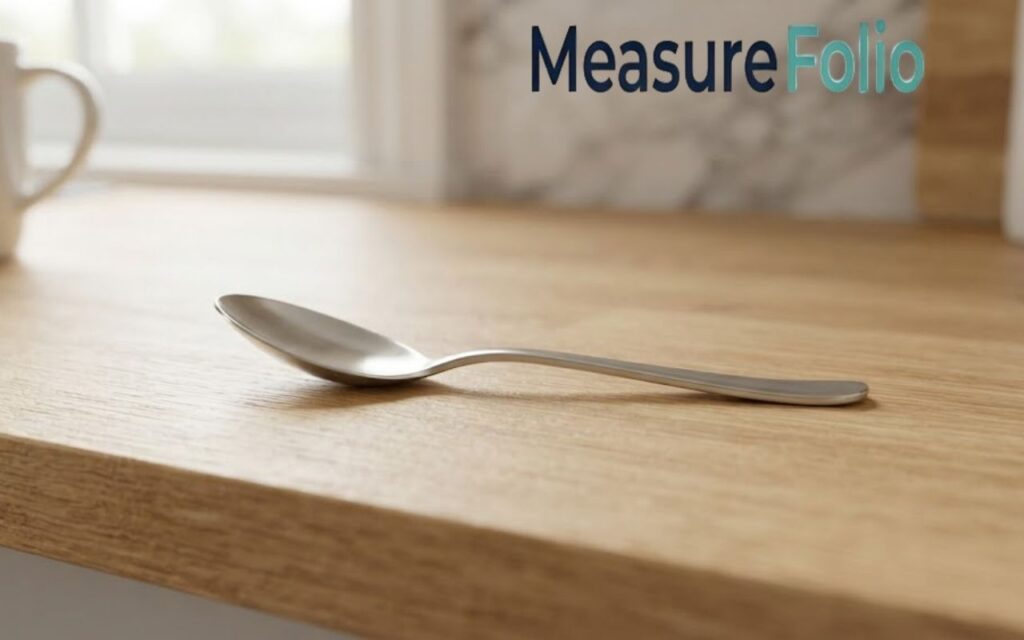
Pull a teaspoon from your utensil drawer and measure it end to end — you will usually land somewhere between 5 and 5.5 inches. It is one of those household items you touch multiple times a day without ever clocking its actual size.
8. Five Paper Clips in a Row
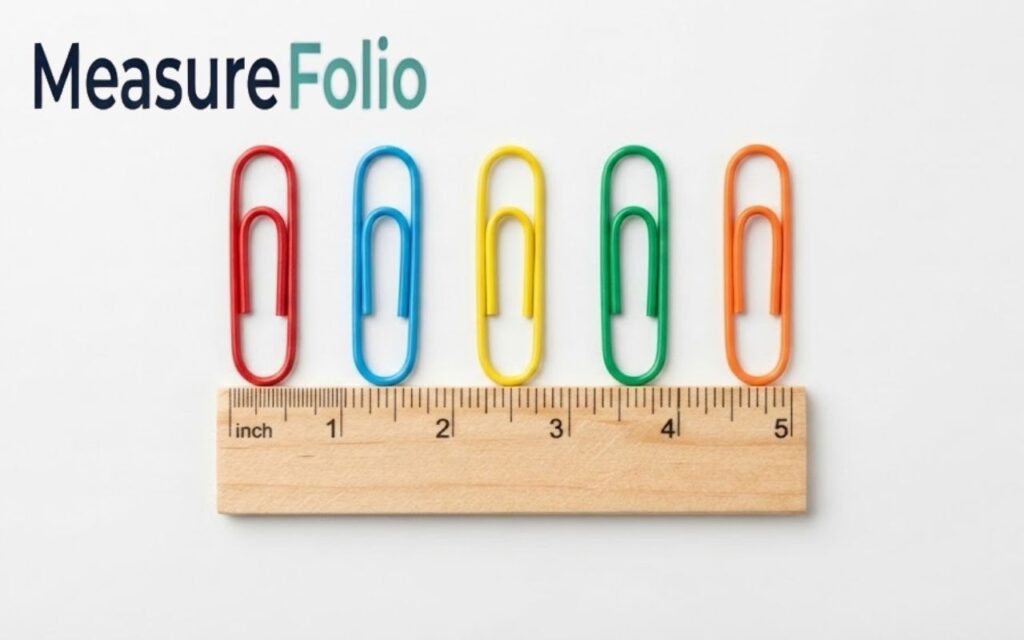
Here is a fun one: a standard one-inch paper clip measures roughly 1 inch across its length. Line up five paper clips end to end, and you have built yourself a makeshift 5-inch ruler using nothing but office supplies sitting in a desk drawer. This trick works surprisingly well when you need a quick estimate and there is no actual ruler in sight.
9. Foldable Travel Toothbrush
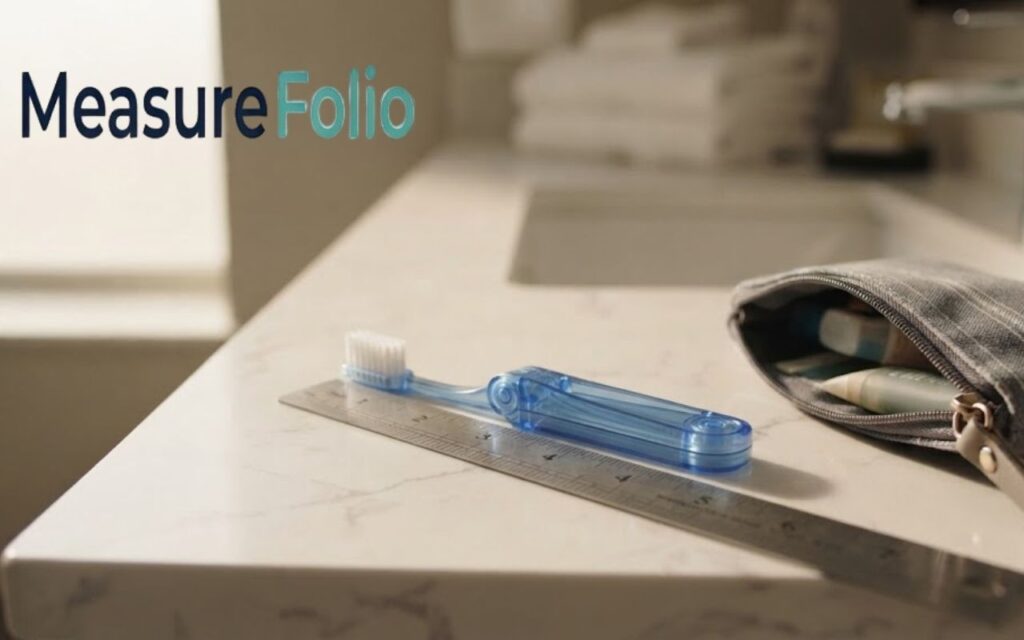
A folding toothbrush — the kind designed for travel dental care — usually closes up to about 5 inches long. It is a smart portable toothbrush design specifically because it needs to slide neatly into small toiletry bags, and that 5-inch toothbrush size is basically the industry sweet spot.
10. Wide-Tooth Grooming Comb
Slightly bigger than the travel comb above, wide-tooth grooming combs used for detangling hair typically run 5 to 6 inches. They are common in bathroom drawers and gym bags alike, making them another solid entry among measuring objects you probably already own.
11. A Larger USB Flash Drive
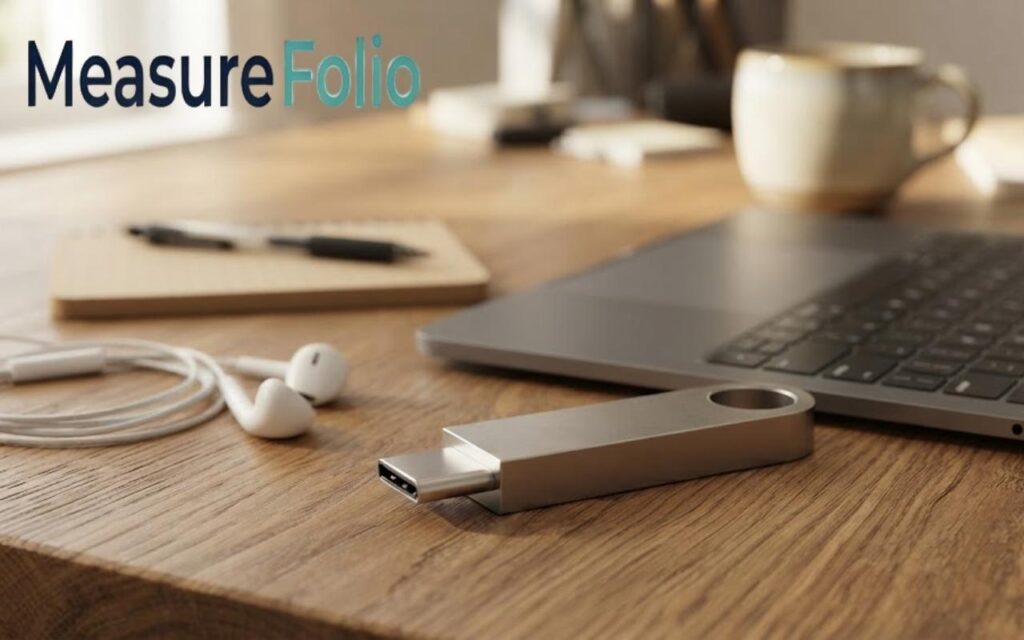
Most USB drives run smaller than 5 inches, but larger novelty designs and some dual-connector models stretch closer to that length. It is a less exact comparison than some others on this list, but still a useful visual measurement for tech-minded readers.
12. Pocket-Size Notepad
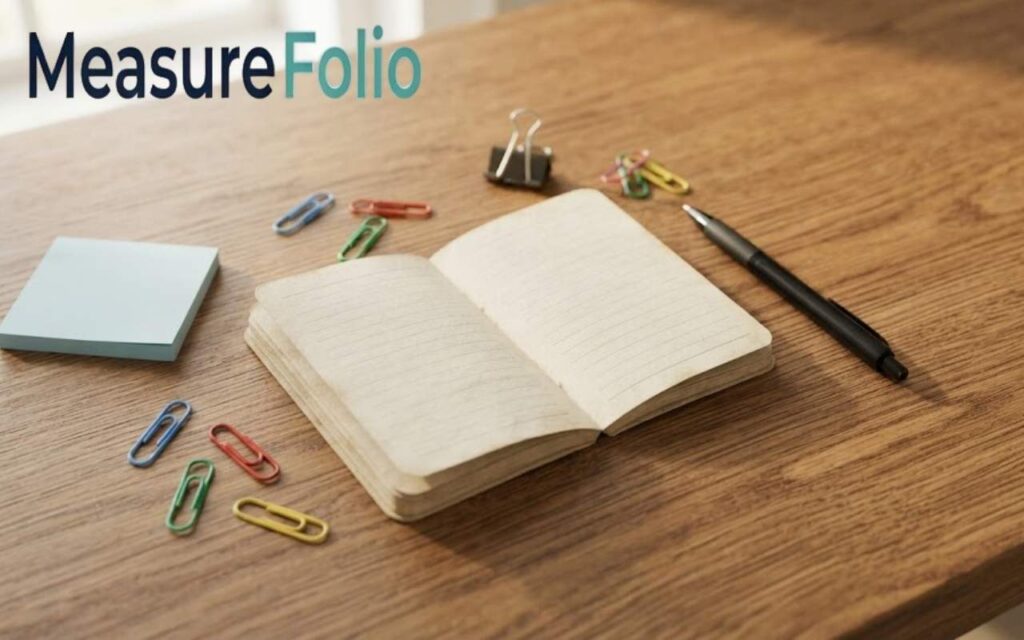
A pocket notebook — the kind reporters and note-takers love — often measures right around 5 inches tall. Whether you call it a memo pad, compact notepad, or travel notebook, this small notebook format has stuck around because it fits neatly into a jacket pocket while still giving you enough space to jot things down.
13. An Average Coffee Mug

Measure the height of a kitchen mug and you will usually land close to 4.5 to 5 inches. Cup dimensions vary by style, but the classic coffee cup shape tends to hover right around this mug height, making the standard mug another easy household comparison.
14. A Standard Compact Disc
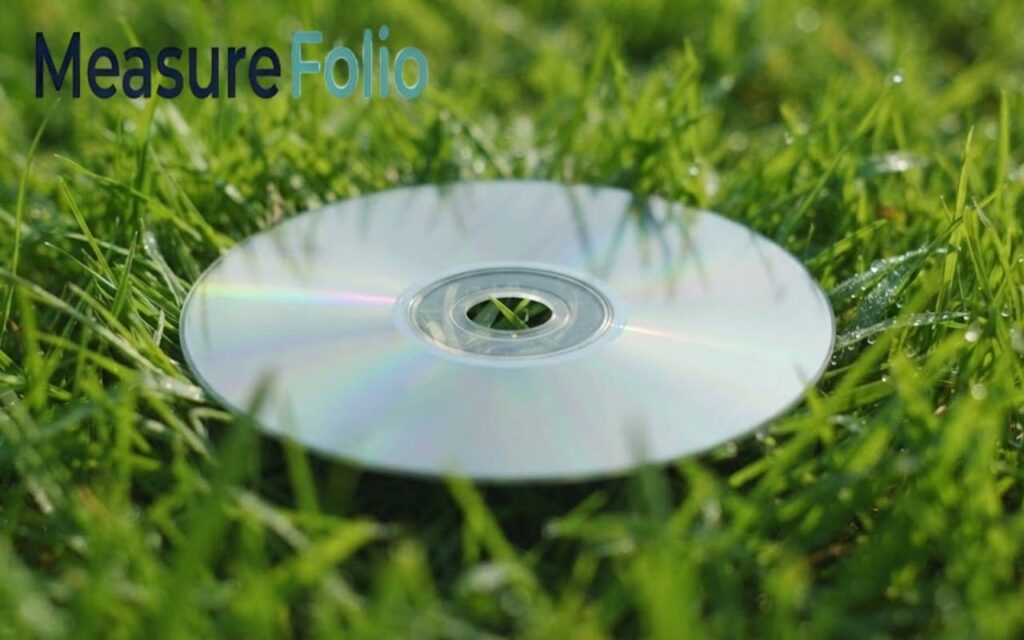
Here is one you might not expect: a CD measures 4.7 inches across, just a hair under the full 5-inch mark. If you have still got a CD collection tucked away somewhere, it doubles nicely as a real-life size reference.
15. A Full-Size Chocolate Candy Bar
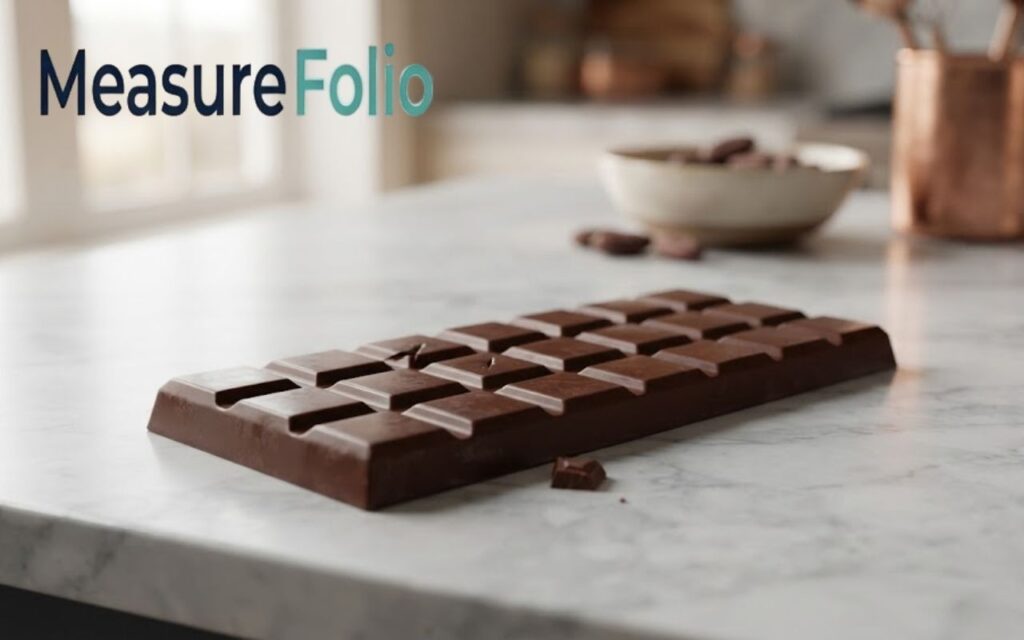
Many full-size chocolate bars run between 5 and 7 inches long, depending on the brand. It is a fun, food-based way to picture 5 inches long — and honestly, a much more enjoyable reference point than a ruler.
16. A Capped Ballpoint Pen
A typical capped pen measures about 5 to 5.5 inches. It is sitting on your desk right now, probably, making it one of the most convenient real-life examples of this measurement you will ever need.
17. 5 inches hummingbird
A hummingbird, for instance, typically measures between 3 and 5 inches from beak to tail, with larger species landing right at the top of that range. A monarch butterfly’s wingspan runs a bit shorter, usually 3.5 to 4 inches, but a few individuals stretch close to the 5-inch mark during peak growth. Even in the garden, a mature strawberry runner or a young basil stem often reaches about 5 inches before it is pinched back or harvested.
Why This Measurement Actually Comes in Handy
Knowing what 5 inches looks like is not just trivia — it solves real, everyday problems.
- Online shopping: Product listings often list dimensions without images. Knowing your 5 inch reference points helps you judge size before you buy.
- Shipping and packaging: Boxes, envelopes, and mailers often use 5-inch dimensions as a baseline.
- DIY and crafts: Templates, patterns, and cut lists frequently call for 5-inch measurements.
- Gift sizing: Wondering if something will fit in a box or bag? A quick mental comparison saves a return trip to the store.
As the saying goes, “measure twice, cut once” — but sometimes you do not even need the tape measure if you have already got a solid mental anchor.
Fun Facts About 5 Inches
Here are five quick, surprising facts that put 5 inches in a whole new light:
1. The inch itself has medieval origins. Centuries ago, under King Edward II’s rule, an inch was legally defined as the length of three barleycorns laid end to end. Do the math, and 5 inches works out to roughly 15 barleycorns lined up in a row — a strange but real piece of measurement history.
2. A brand-new pencil is longer than you think. An unsharpened No. 2 pencil measures about 7.5 inches. Sharpen it down through regular use, and once you’ve lost roughly a third of its length, you’re holding a 5-inch pencil — a low-tech way to gauge how much “life” is left in it.
3. Half-letter paper is built around this size. The half-letter paper format, common for notepads, journals, and planner inserts, measures 5.5 x 8.5 inches. It’s essentially a standard sheet of paper cut in half, and the 5.5-inch edge sits just above the 5-inch mark most of us picture.
4. A Syrian hamster is roughly 5 inches long. Fully grown, these popular pets typically run 5 to 7 inches nose to tail. That means your hamster is probably about the same length as the smartphone sitting next to its cage.
5. The iPhone 6 chased this exact number. When it launched in 2014, its 4.7-inch screen was one of the closest any mainstream phone had come to hitting 5 inches exactly, kicking off the larger-screen “phablet” trend that reshaped the whole smartphone industry.
Quick Quiz: How Well Do You Know 5 Inches?
Test yourself! Answers are listed at the end — no peeking.
1. How many centimeters is 5 inches?
A) 10.5 cm B) 12.7 cm C) 15.2 cm D) 8.9 cm
2. Which of these is the most exact 5-inch reference, with almost zero estimating involved?
A) Coffee mug B) 3×5 index card C) Chocolate bar D) Nail file
3. About how tall is a standard soda can?
A) 3.5 inches B) 4.8 inches C) 6.2 inches D) 5.9 inches
4. How many standard paper clips laid end to end roughly equal 5 inches? A) Three B) Ten C) Five D) Seven
5. What’s the diameter of a standard compact disc (CD)?
A) 5.5 inches B) 3.9 inches C) 4.7 inches D) 6.1 inches
6. Roughly how many 5-inch objects does it take to reach 1 foot?
A) About 1.5 B) About 2.4 C) About 3.2 D) Exactly 2
7. Does the length of an inch change between countries using the imperial system?
A) Yes, it varies by region B) No, it’s a fixed international standard C) Only in the UK D) Only for scientific use
8. Which body-based trick is mentioned for estimating 5 inches without a ruler? A) Length of your foot B) Distance from thumb tip to palm base C) Width of your forearm D) Length of your elbow to wrist
Answers
- B — 12.7 cm
- B — 3×5 index card
- B — 4.8 inches
- C — Five
- C — 4.7 inches
- B — About 2.4
- B — No, it’s a fixed international standard
- B — Distance from thumb tip to palm base
Wrapping It Up
Five inches stops being an abstract number the moment you have got real objects to measure it against. Whether it is the edge of an index card, the height of a soda can, or the shorter side of a 5×7 frame, these everyday anchors turn a vague measurement into something you can picture instantly — no ruler required.
Next time a size pops up in inches, whether you are shopping online, sizing a gift, or tackling a DIY project, you’ve already got a mental toolkit ready to go.
FAQs about 5 inches
Got a few common questions about 5 inches? Here are quick, straightforward answers to the ones readers ask most. Whether you are picturing a frame size or converting units, these should clear things up fast.
1. Is a 5×7 picture frame the same as “5 inches”?
Partially. A 5×7 frame has one edge that is exactly 5 inches, paired with a 7-inch edge — it is one of the most common photo print and frame sizes sold in stores, right behind the smaller 4×6 format. If you are picturing 5 inches, the shorter side of a 5×7 frame is a solid, widely available reference.
2. How many 5-inch objects would it take to reach 1 foot?
It would take a little over two objects measuring 5 inches each to reach 12 inches (1 foot), since 5 inches x 2.4 gets you there almost exactly.
3. Does 5 inches change depending on the country’s measurement system?
No. An inch is a fixed unit under the international standard, so 5 inches equals exactly 12.7 centimeters everywhere, whether you’re in the US, UK, or anywhere else that uses the imperial system alongside metric.
4. Is a 5-inch subwoofer considered small?
Yes, relatively. Car and home audio subwoofers typically range from 5 to 15 inches, so a 5-inch model sits at the compact end, often used in smaller speaker setups or as a mid-bass driver rather than a primary bass source.
5. Is a 5-inch pot big enough for houseplants?
Yes, for smaller or young plants. A 5-inch pot is a common “starter” size for herbs, succulents, and small potted plants before they’re transplanted into something larger, typically holding a plant for 6-12 months of growth.

Hi there, I’m Elanor Albert, the admin for the Measurements category here at Measure Folio. I believe that getting the exact numbers shouldn’t be a struggle. My goal is to share simple, accurate guides and tool reviews so you can measure with absolute confidence. I’m thrilled to help you master the art of precision!